
Six Days of Wonder in Yellowstone and Grand Teton
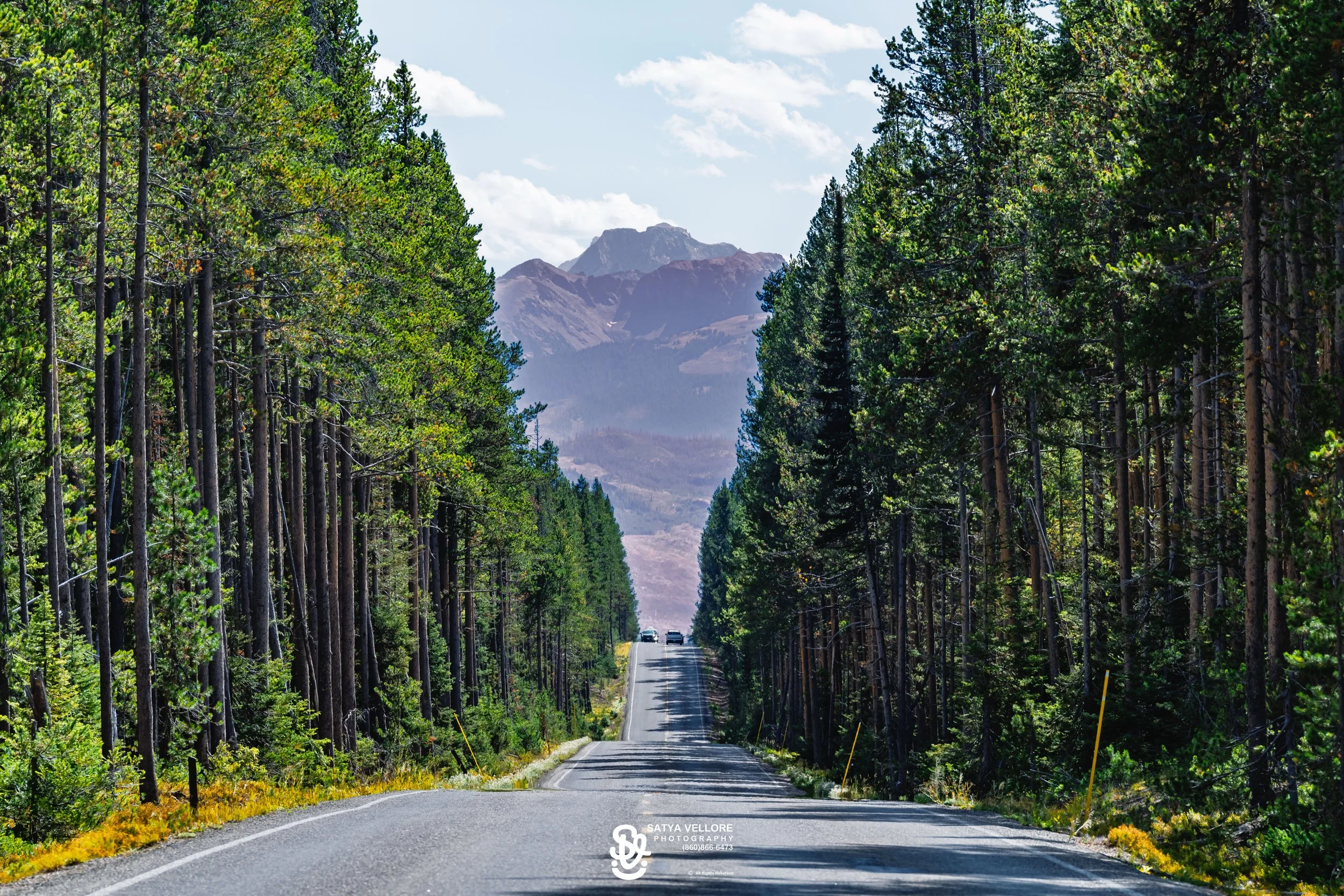
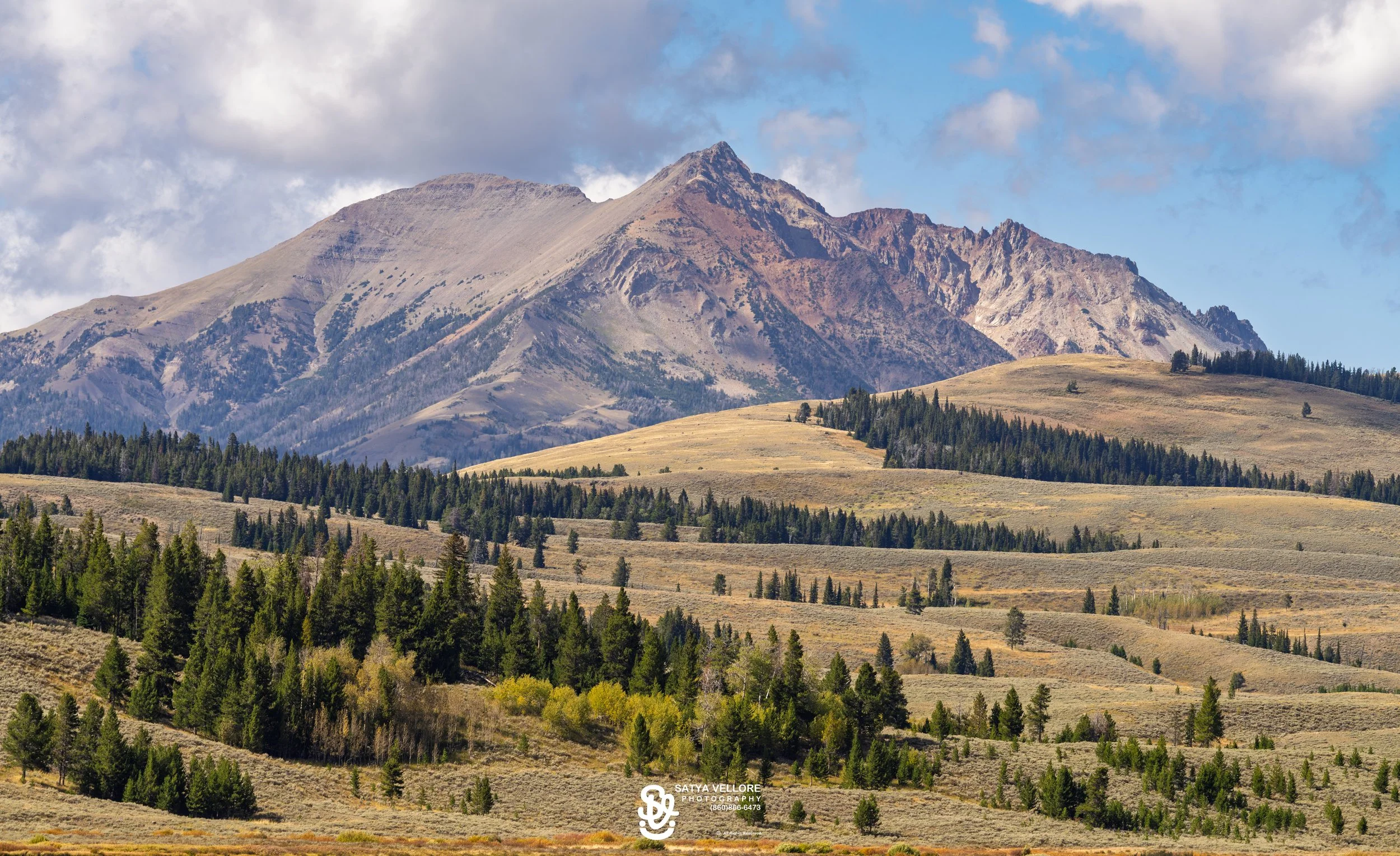
Anu and I flew west late summer this year to visit Yellowstone and Grand Teton National Parks. On a crisp September morning, our plane skimmed the cloud tops above a glowing floor of embers – the perfect first frame for a journey I had dreamed about for months. From September 6 to 11, our rented white Jeep carried us through Montana’s Paradise Valley, alongside the Yellowstone River, into Yellowstone, and south towardthe Tetons. With my camera close at hand, I was eager for every mile and grateful simply to be there.
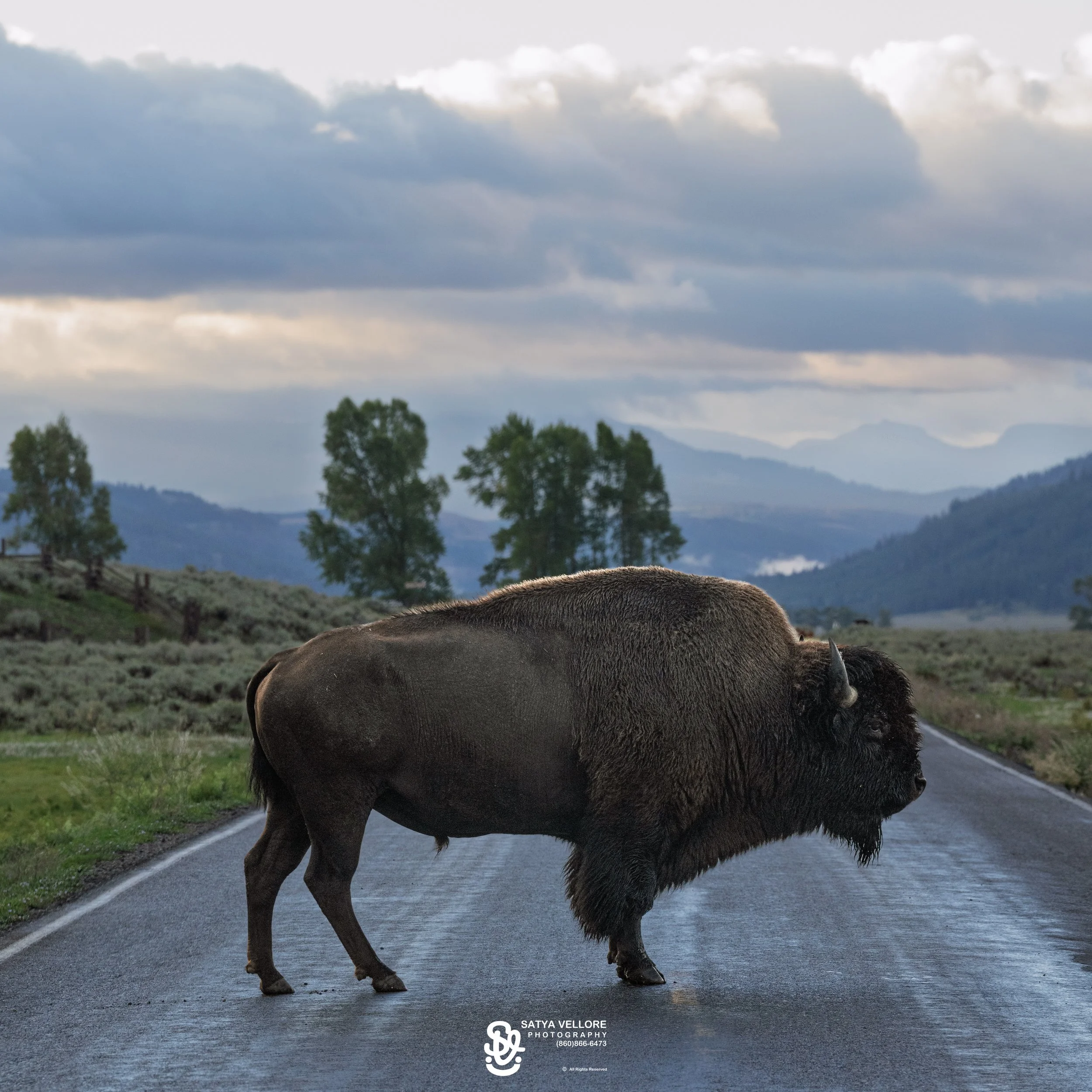
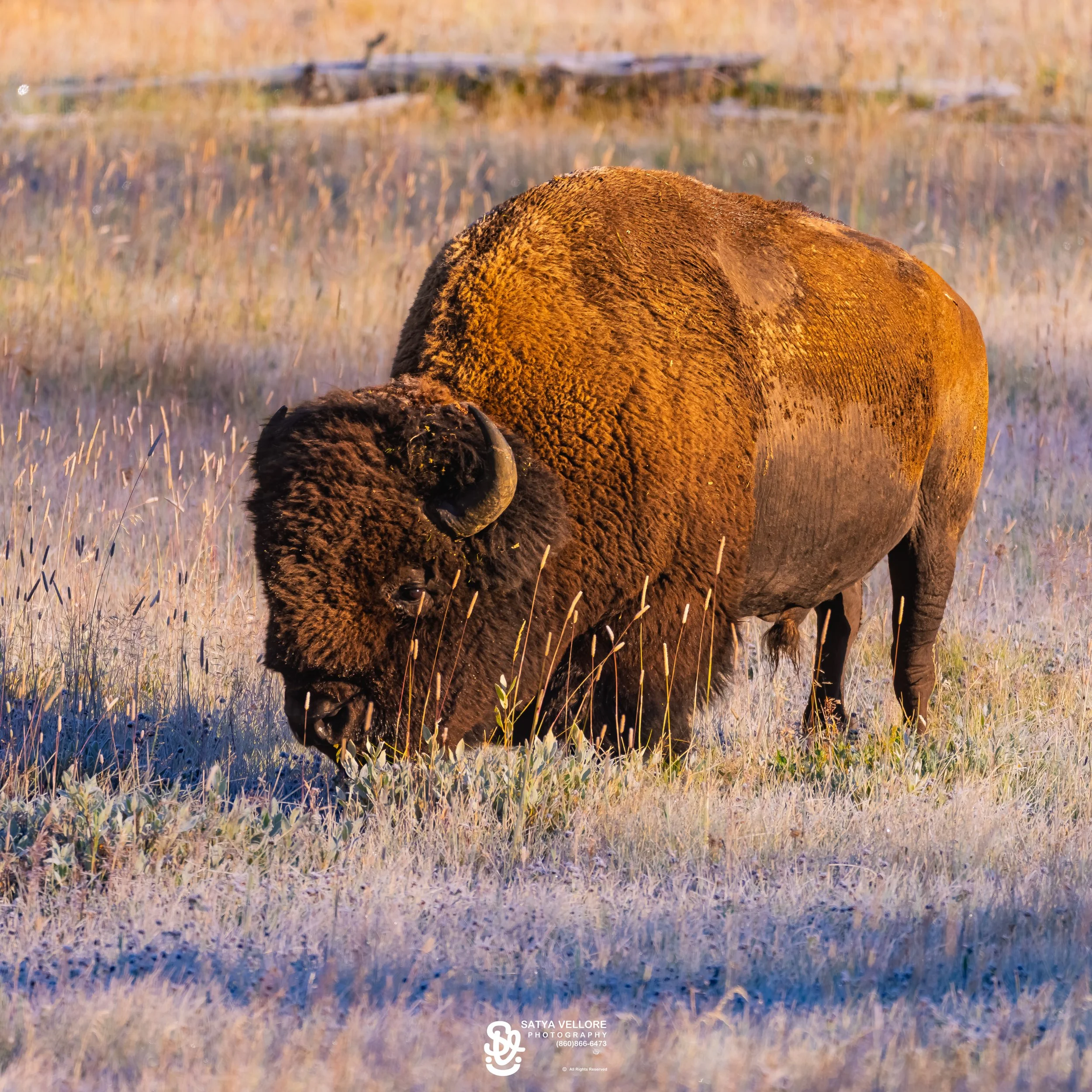
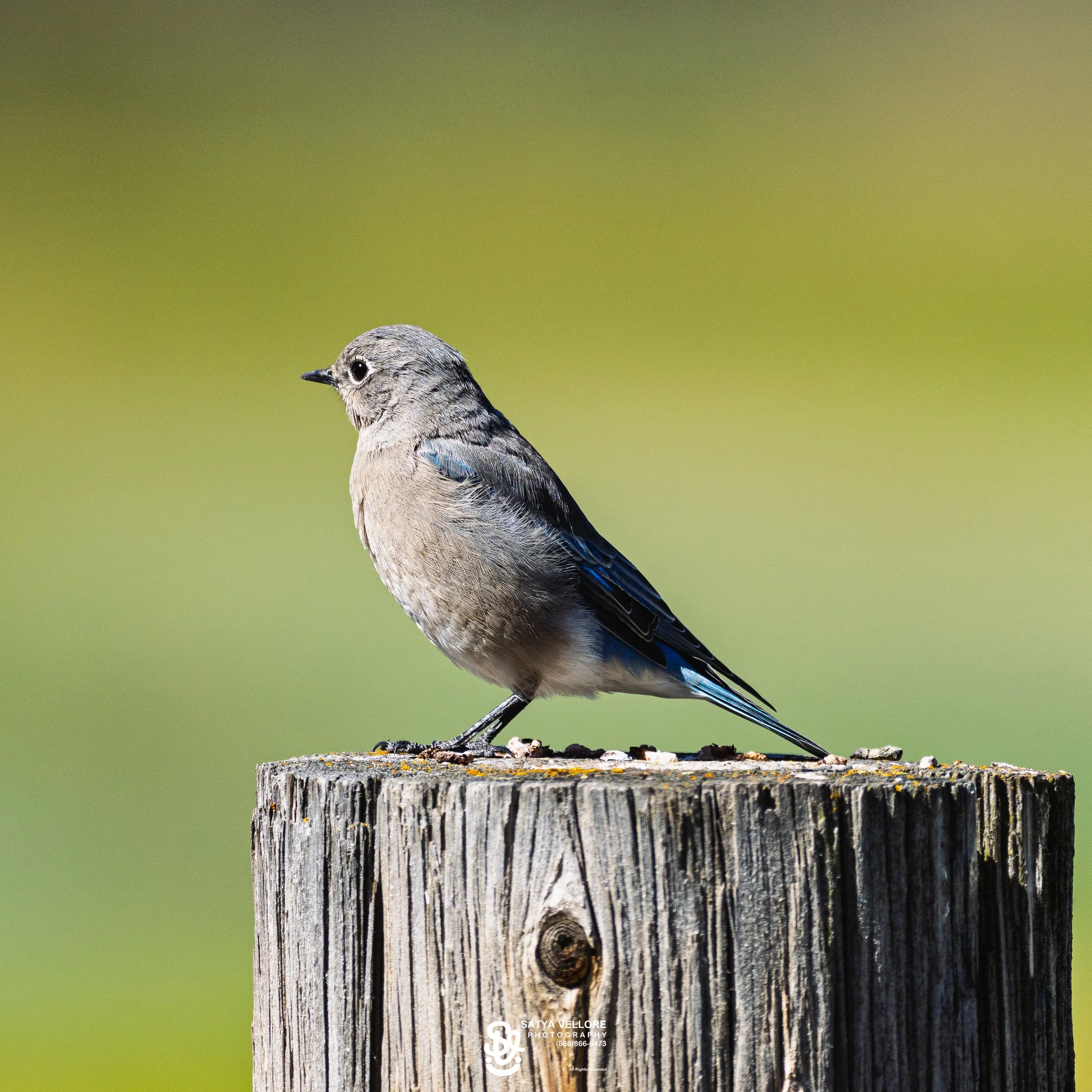
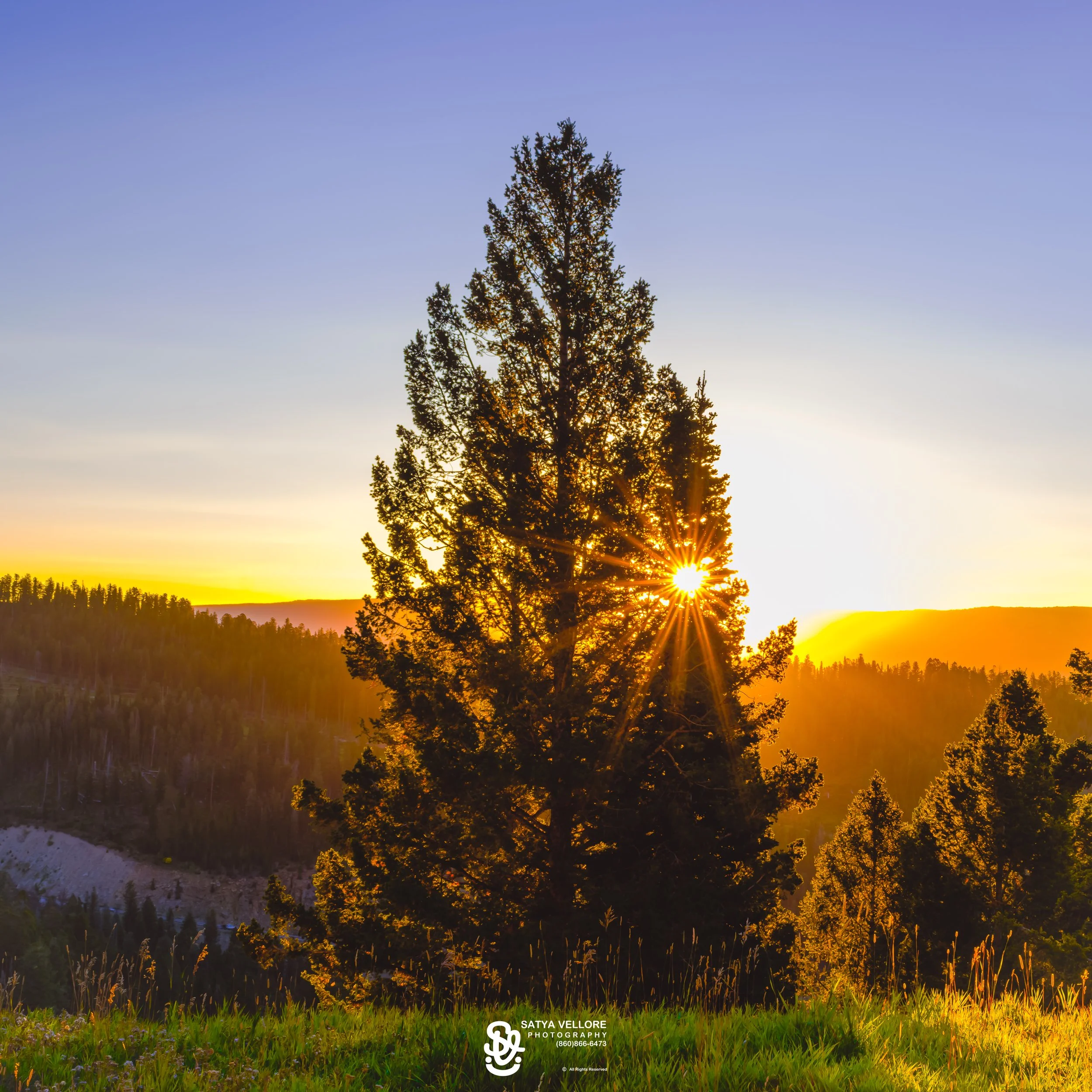
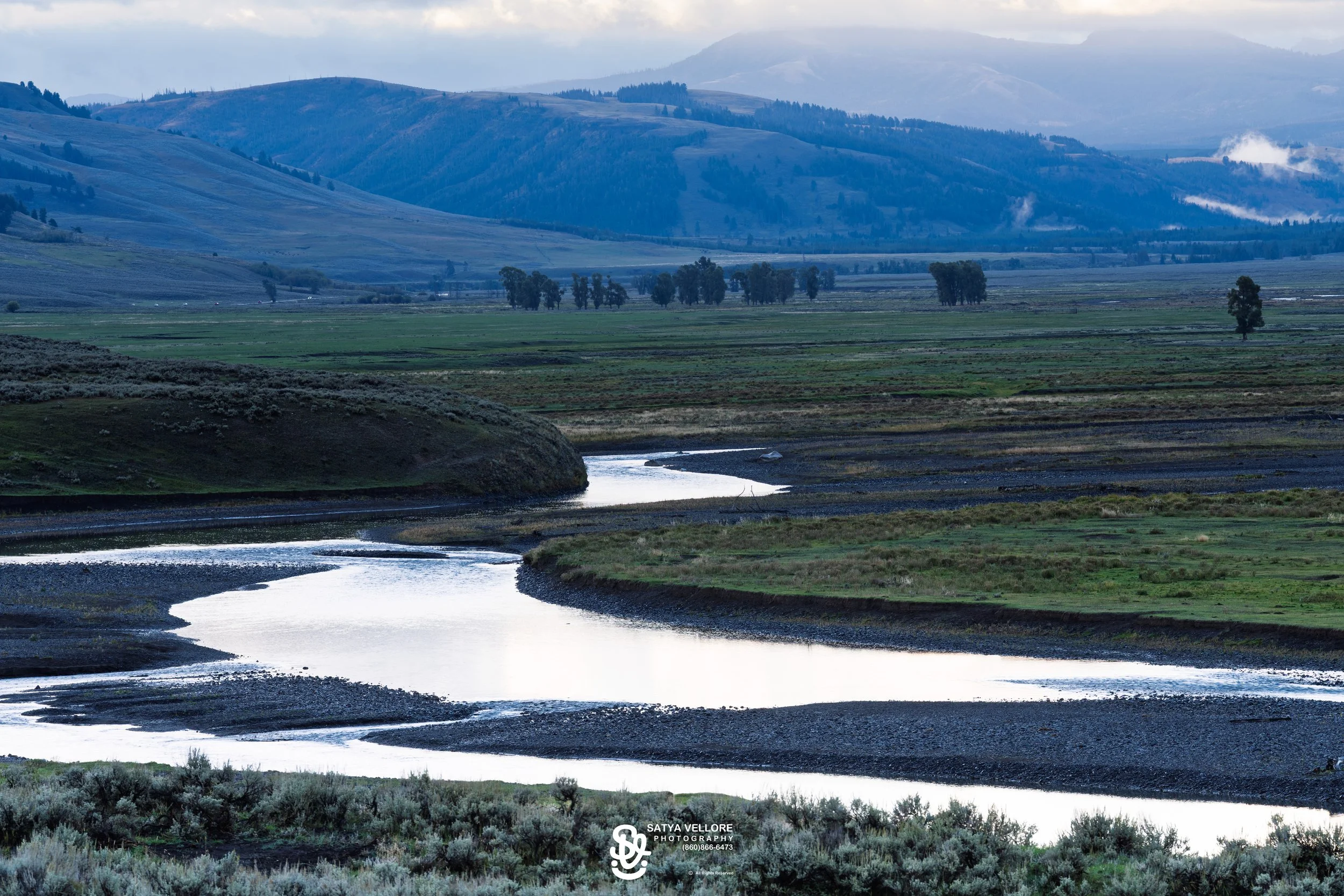
Many mornings began before first light, when the roads were quiet and the valleys still held the night’s chill. Lamar Valley – often called the “American Serengeti” – rewarded every early alarm. We watched a lone bison cross wet pavement beneath a brooding sky as the Lamar River curled like a silver ribbon through the sage. Elk and moose lingered at the meadow edges. Another bison grazed in frost-tipped grass glowing with the first sunlight, while a mountain bluebird paused on a weathered post as if it had agreed to pose for me.
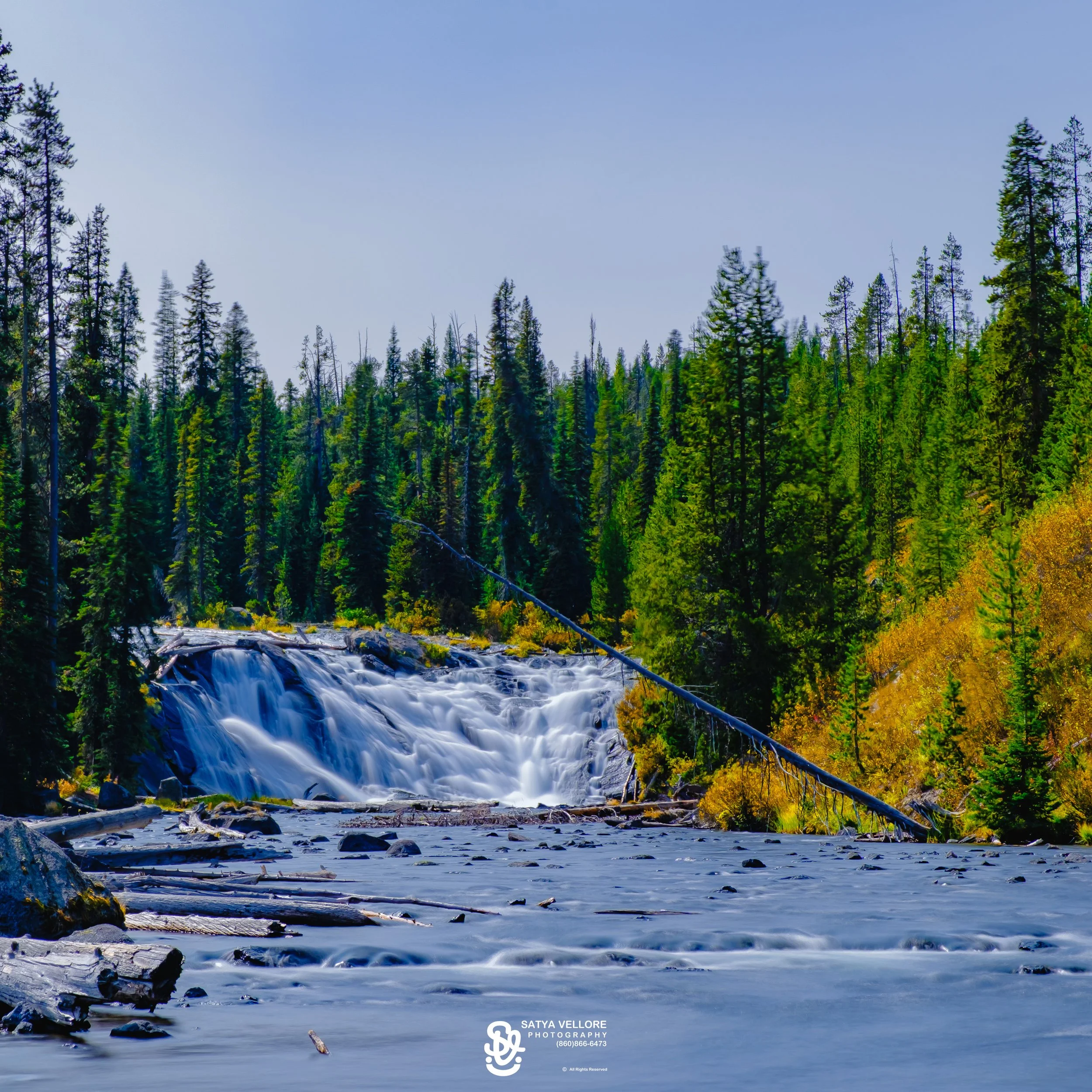
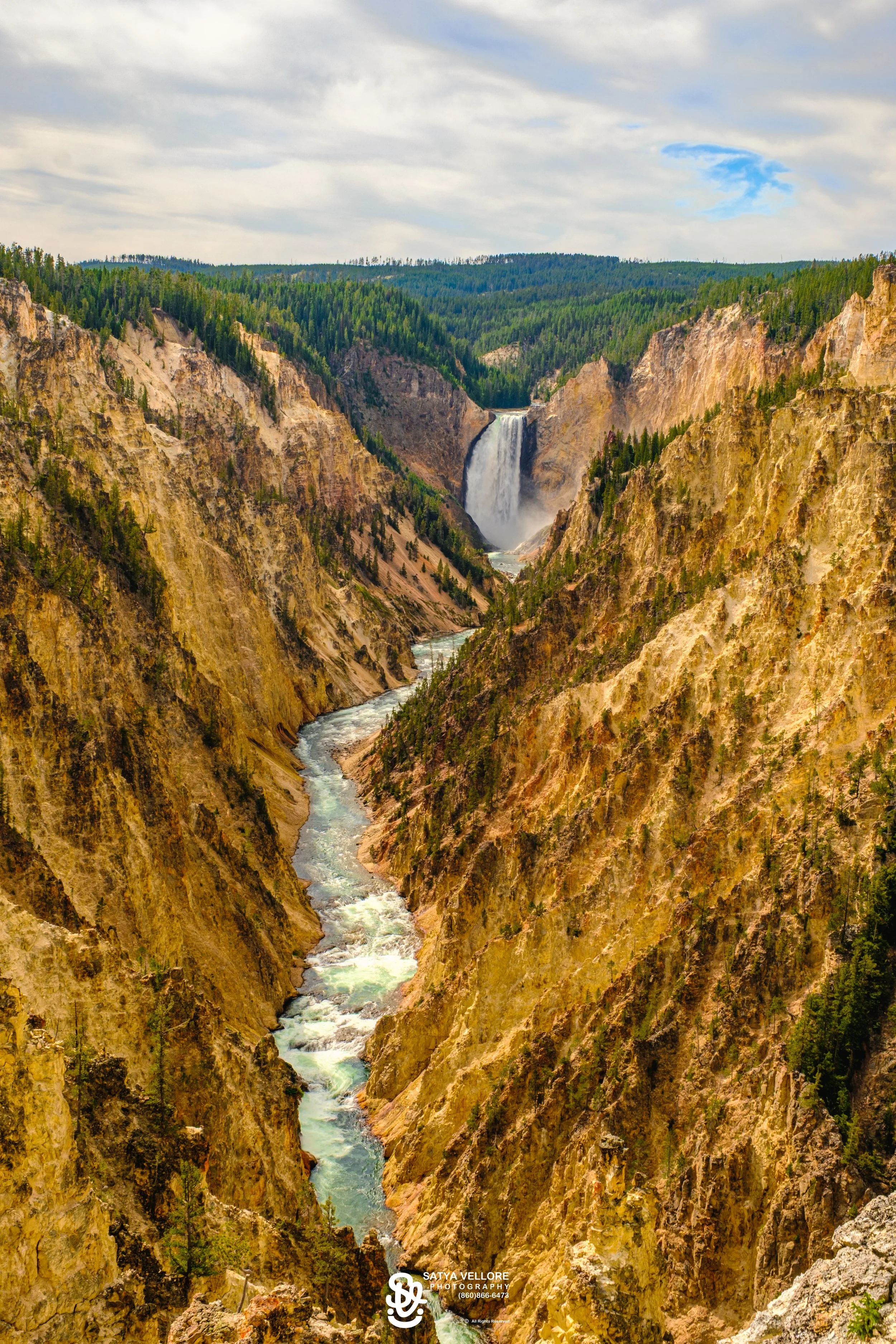
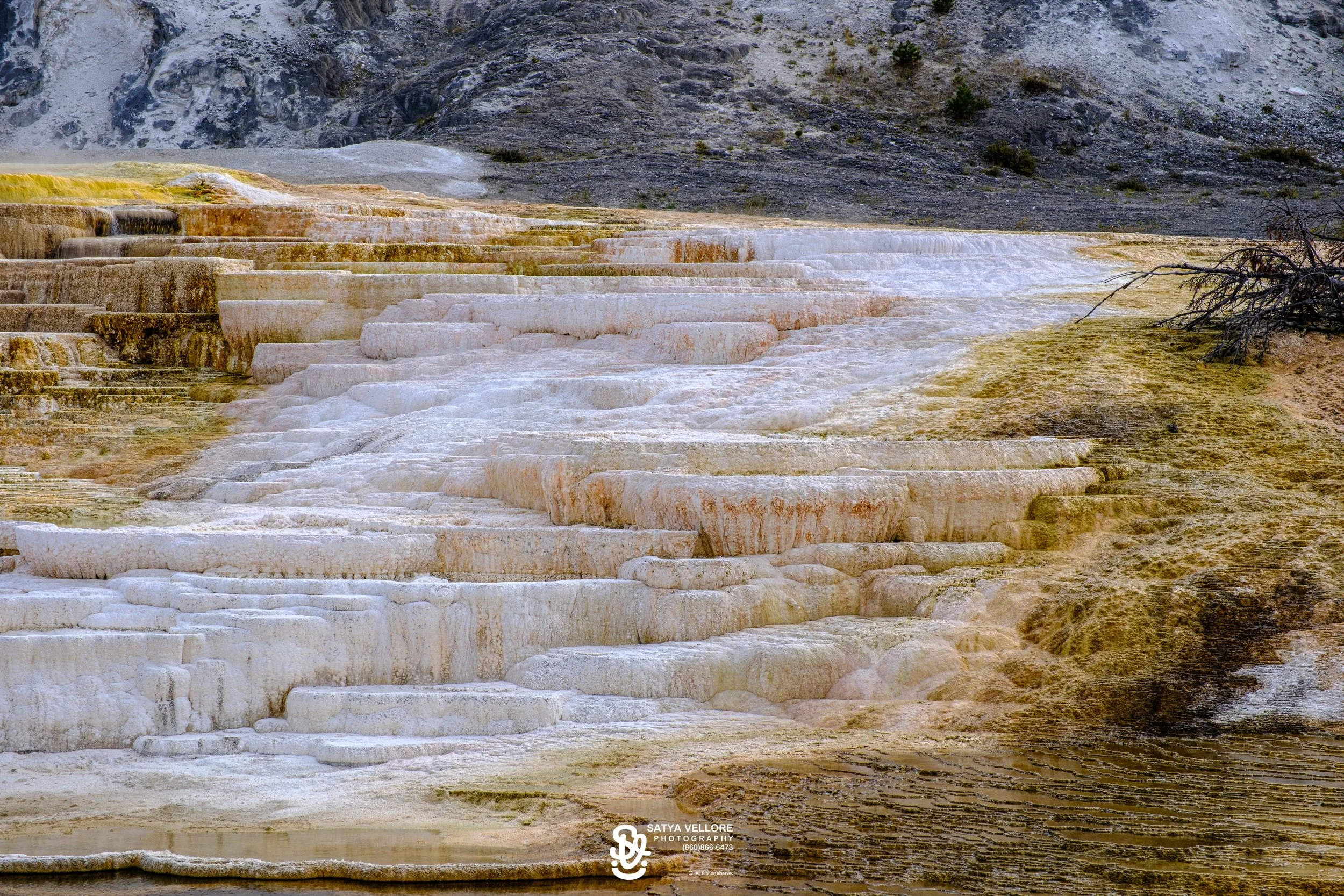
Yellowstone makes geology visible – and irresistible to photograph. At Mammoth Hot Springs, mineral-rich water has built cream-and-ochre terraces of travertine, creating a living landscape that can change from week to week. At Lewis Falls, a long exposure softened the rushing water into silk. At the Grand Canyon of the Yellowstone, walls of iron-stained, heat-altered rock plunged as much as 1,200 feet. From Artist Point, the 308-foot Lower Falls anchored the entire scene.
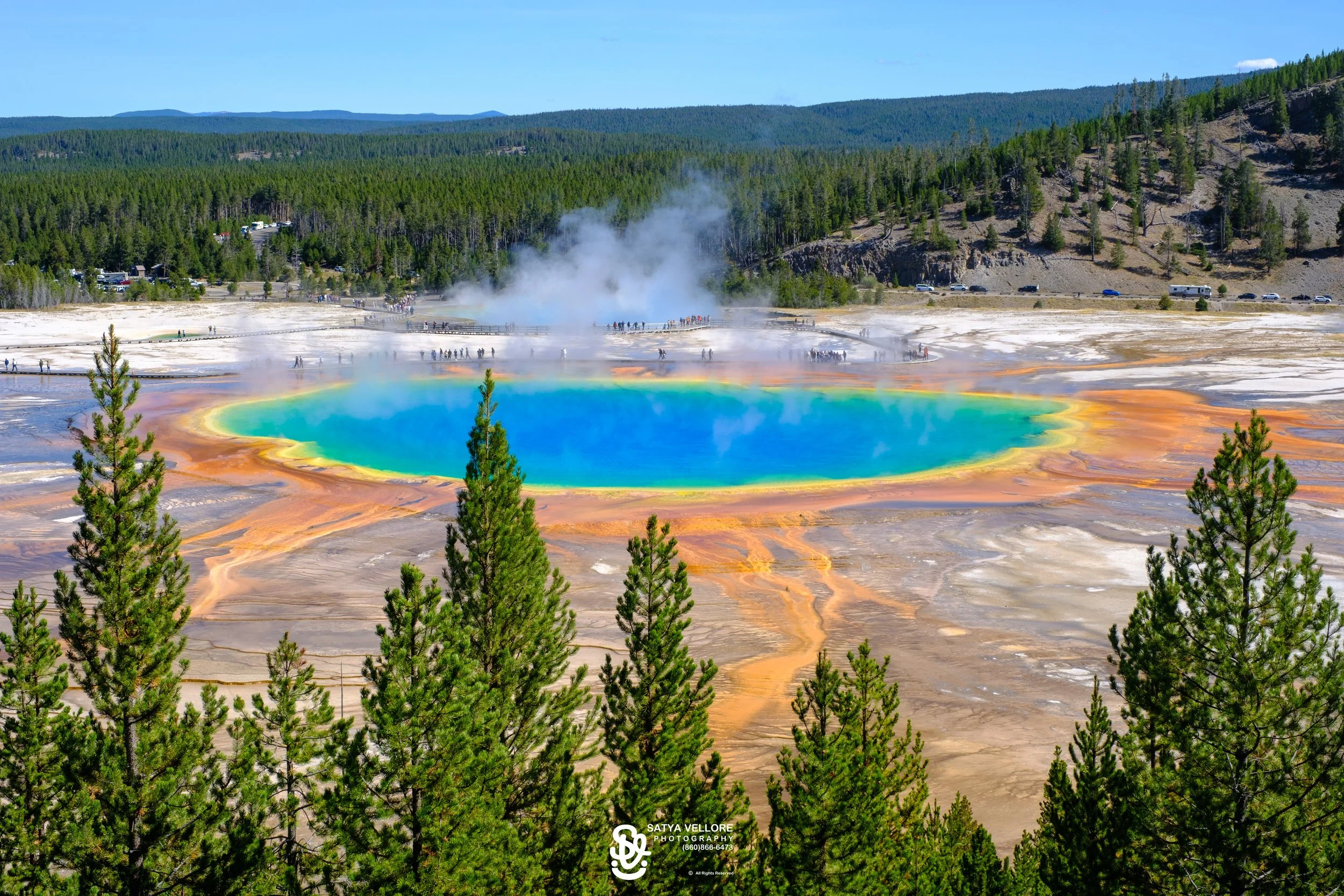
Nothing prepared me for Grand Prismatic, the largest hot spring in the United States at about 370 feet across. From the overlook, framed by pinesand drifting steam, bands of blue, green, orange, and red seemed to glow from within. Heat-loving microbes create those vivid colors, which change with the water’s temperature. I kept lifting my camera, trying to hold on to the wonder before me. Of all the moments from the trip, this may be the one I remember longest.
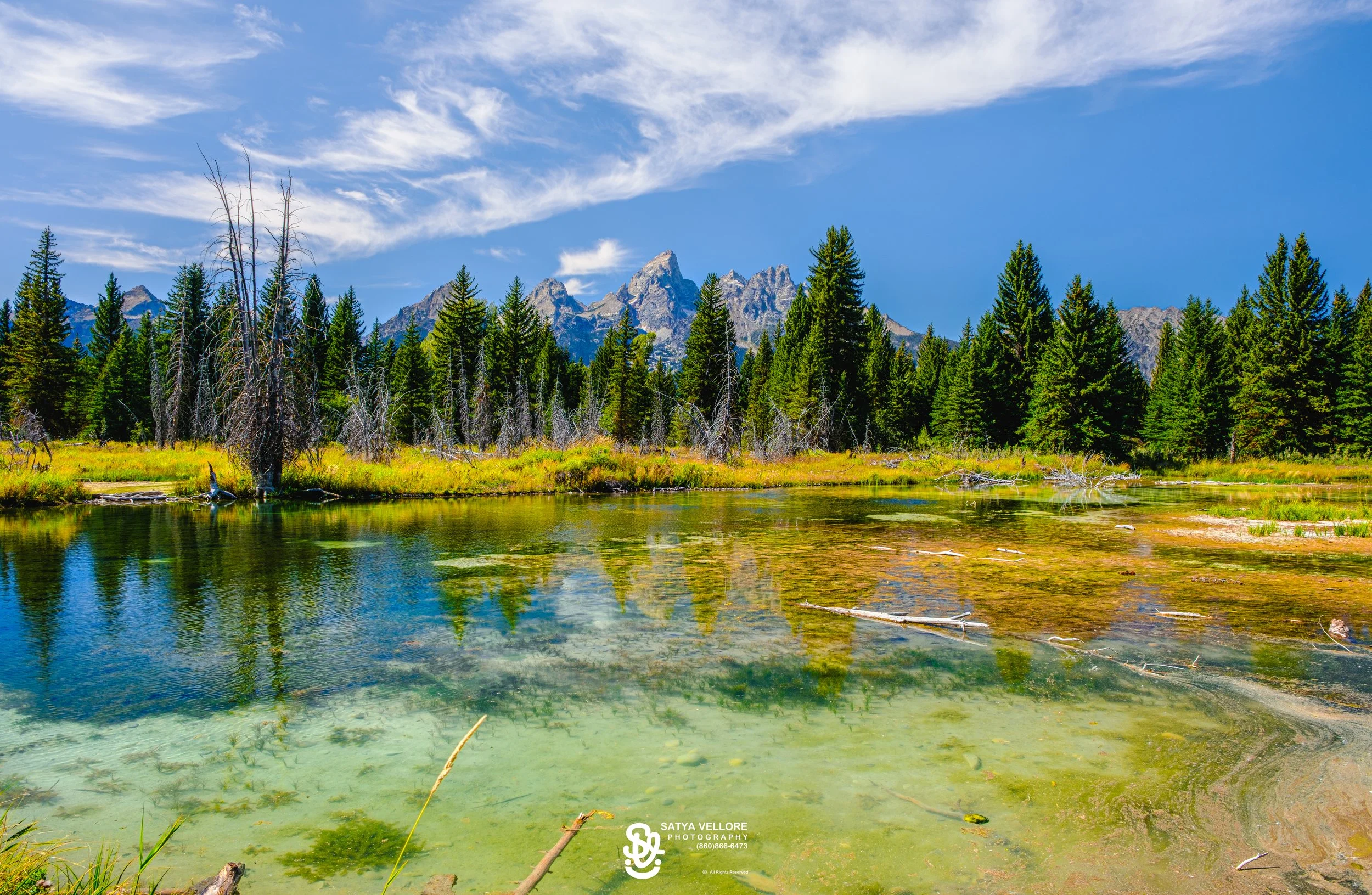
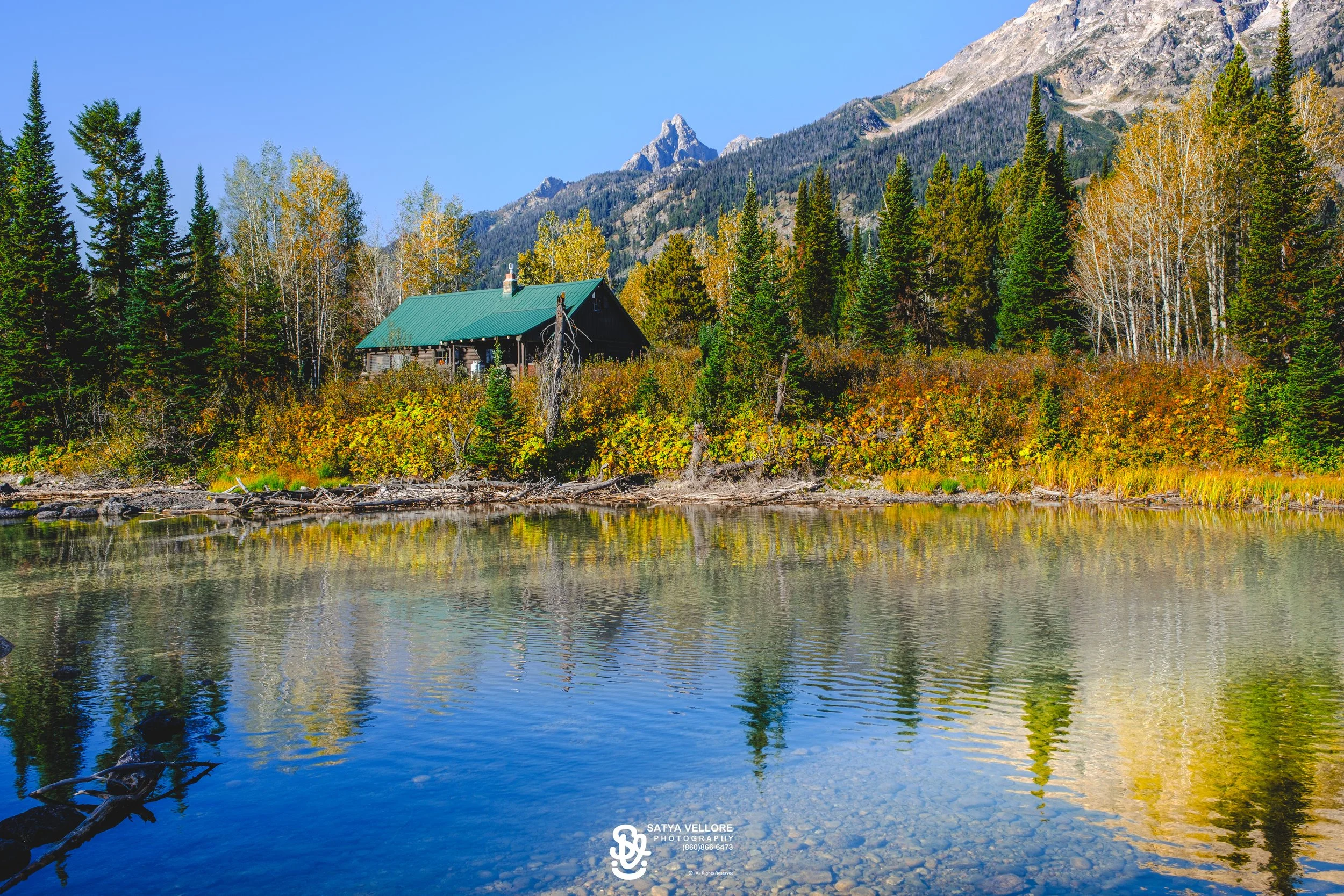
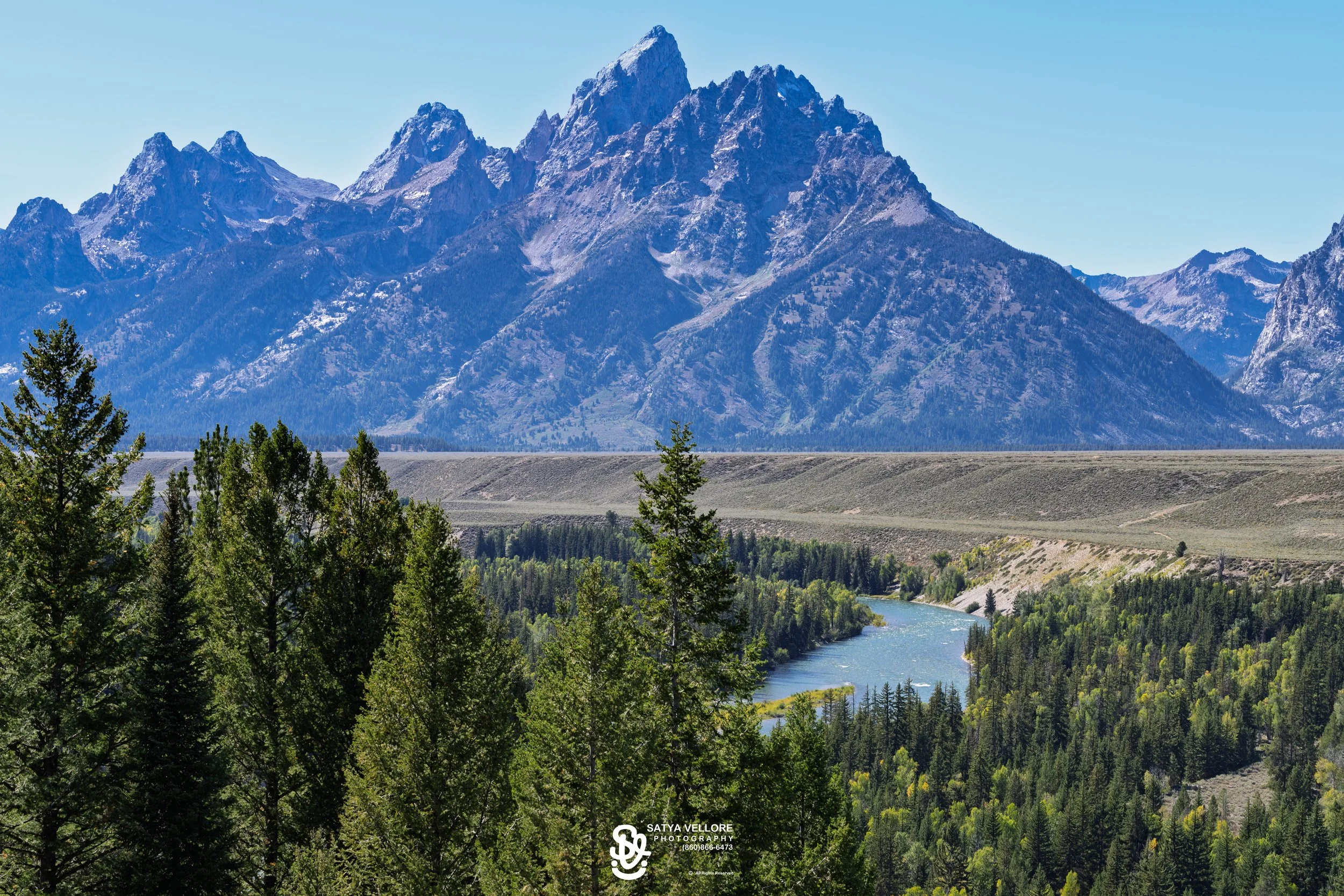
From Yellowstone, we crossed the Continental Divide at 8,262 feet and continued into Grand Teton National Park. The mountains rise sharplyfrom the valley floor, with no foothills to soften their scale. Their rugged peaks felt both close and immense. At Schwabacher’s Landing, a still pond held a near-perfect reflection of the range. On Mormon Row, the weathered Moulton Barn stood warmly against the mountains. At the Snake River Overlook, the Tetons rose in crisp relief – the view Ansel Adams made famous in 1942. Standing there, I felt connected to the photographers who had come before me, each hoping to honor the scene. At glacier-carved Jenny Lake, a quiet cabin, calm water, and the first gold of autumn aspens offered one final, gentle composition.
Photography has always helped me slow down. On this journey, it also taught me to see with renewed gratitude. The early alarms and long pauses were small prices to pay for standing before landscapes far older and grander than any image I could make. I returned home with more than 600 photographs, over 100 keepers, and 15 that I especially wanted to share here. Yet the greatest gift was not stored on a memory card. It was the joy of witnessing these extraordinary places– with a camera in my hand and a heart full of gratitude for the beauty this universe allows us to see.