
Ranthambore Wildlife Splendor, April 2026
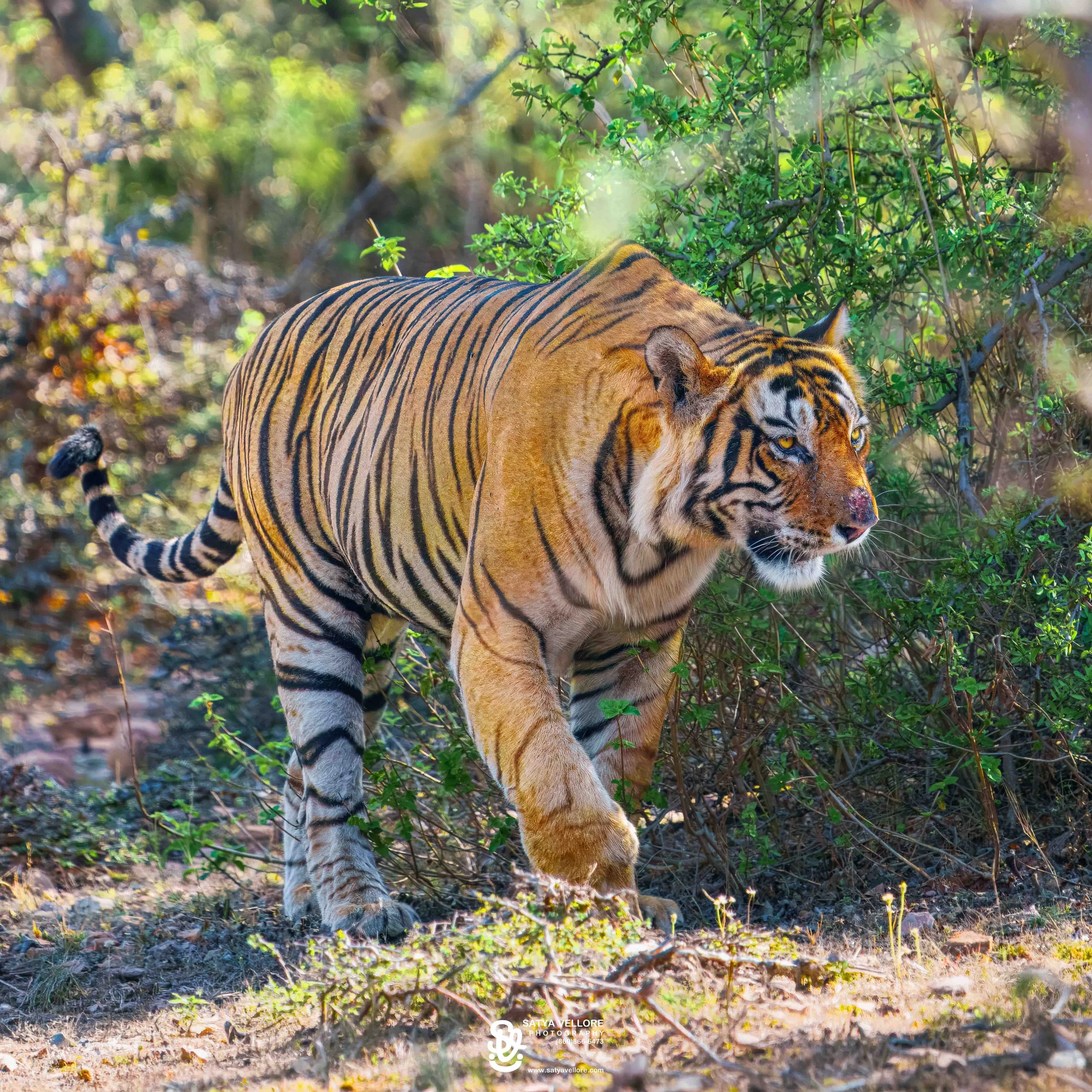
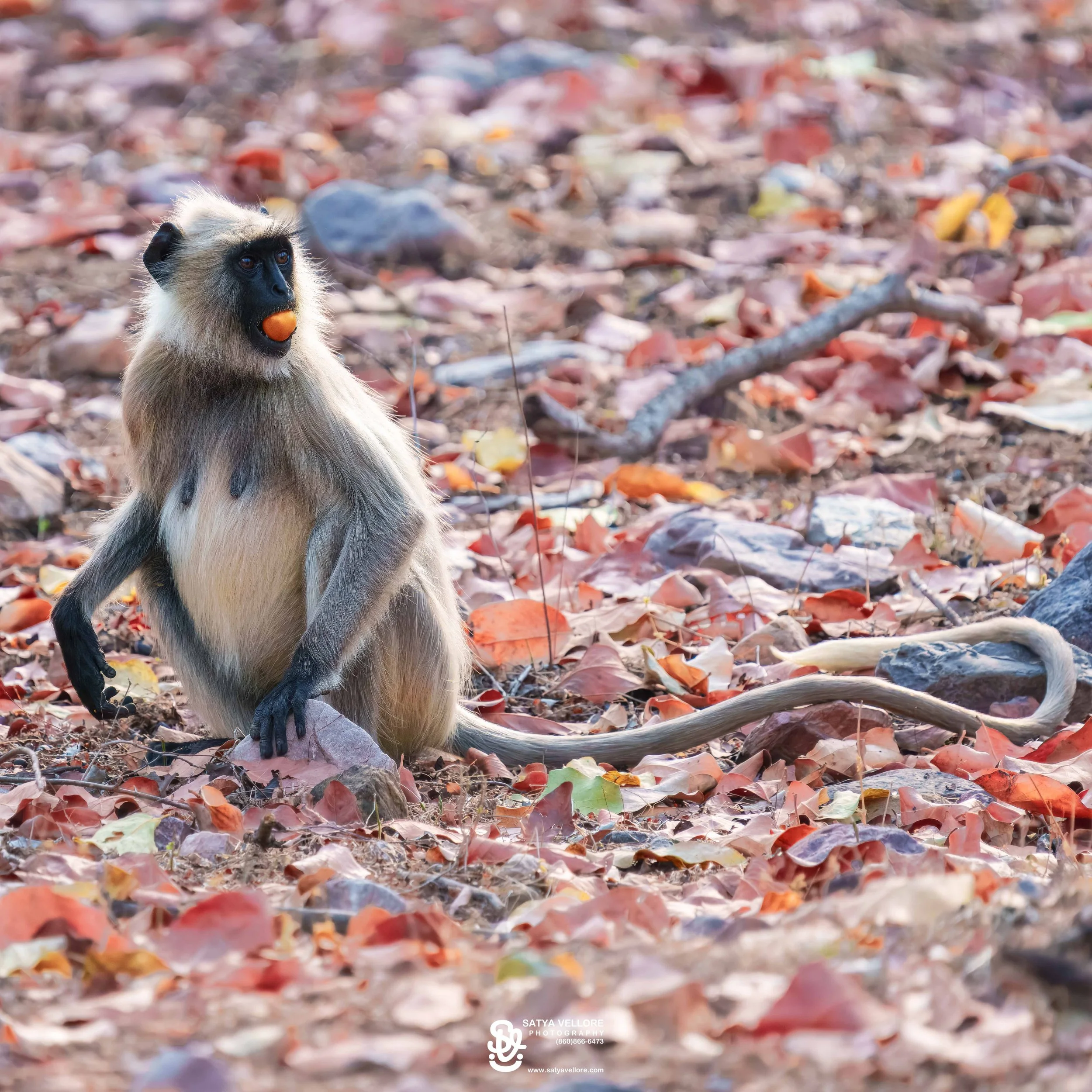
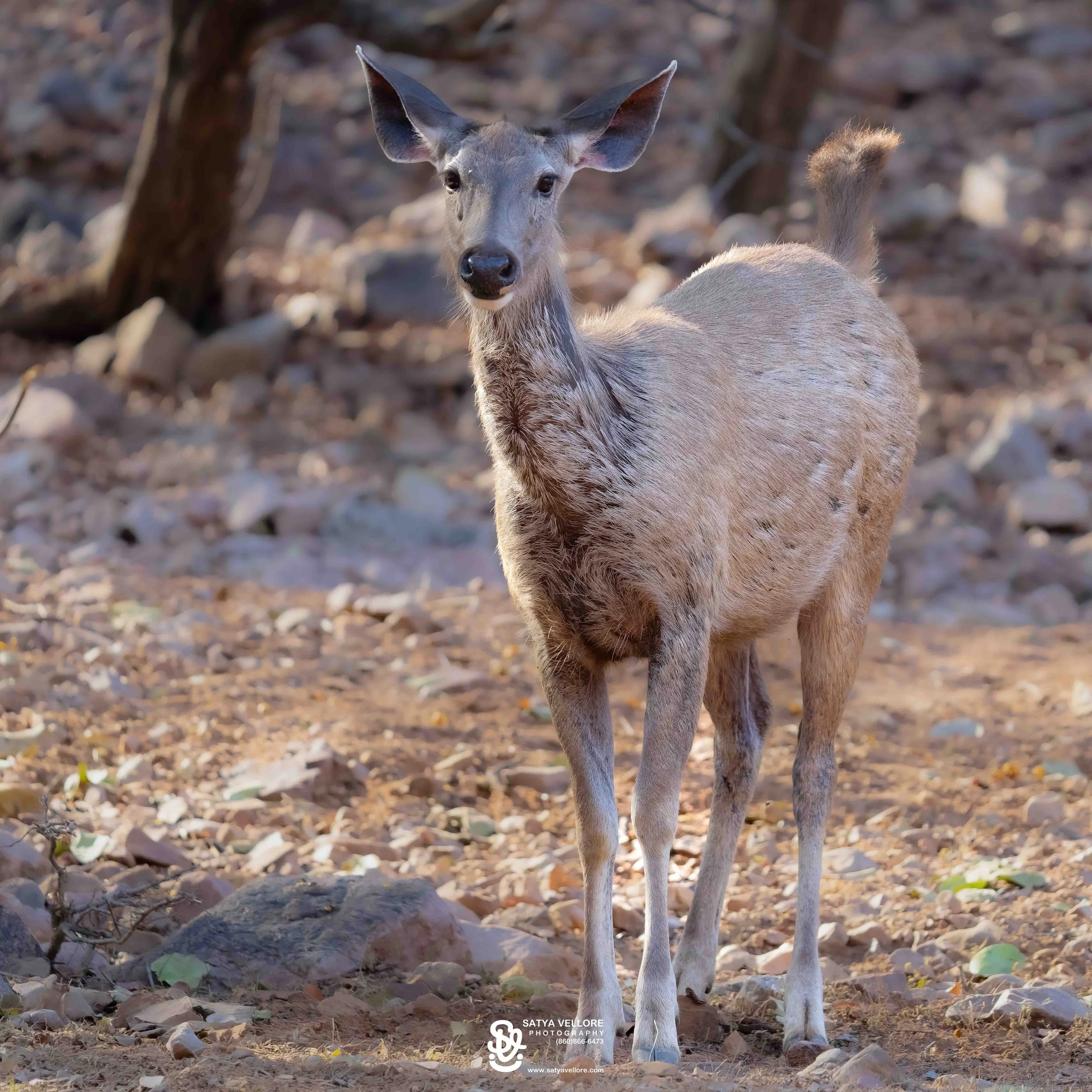
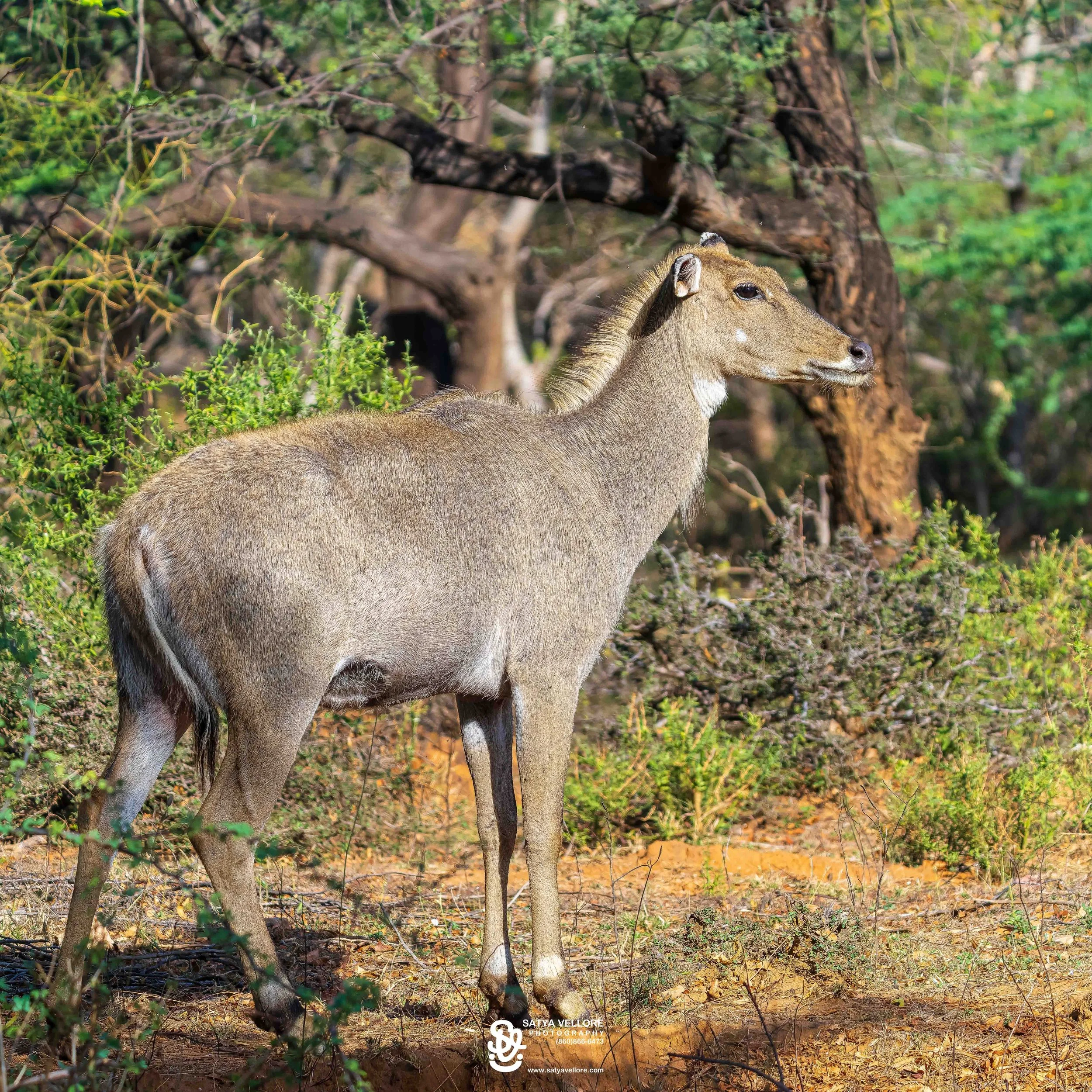
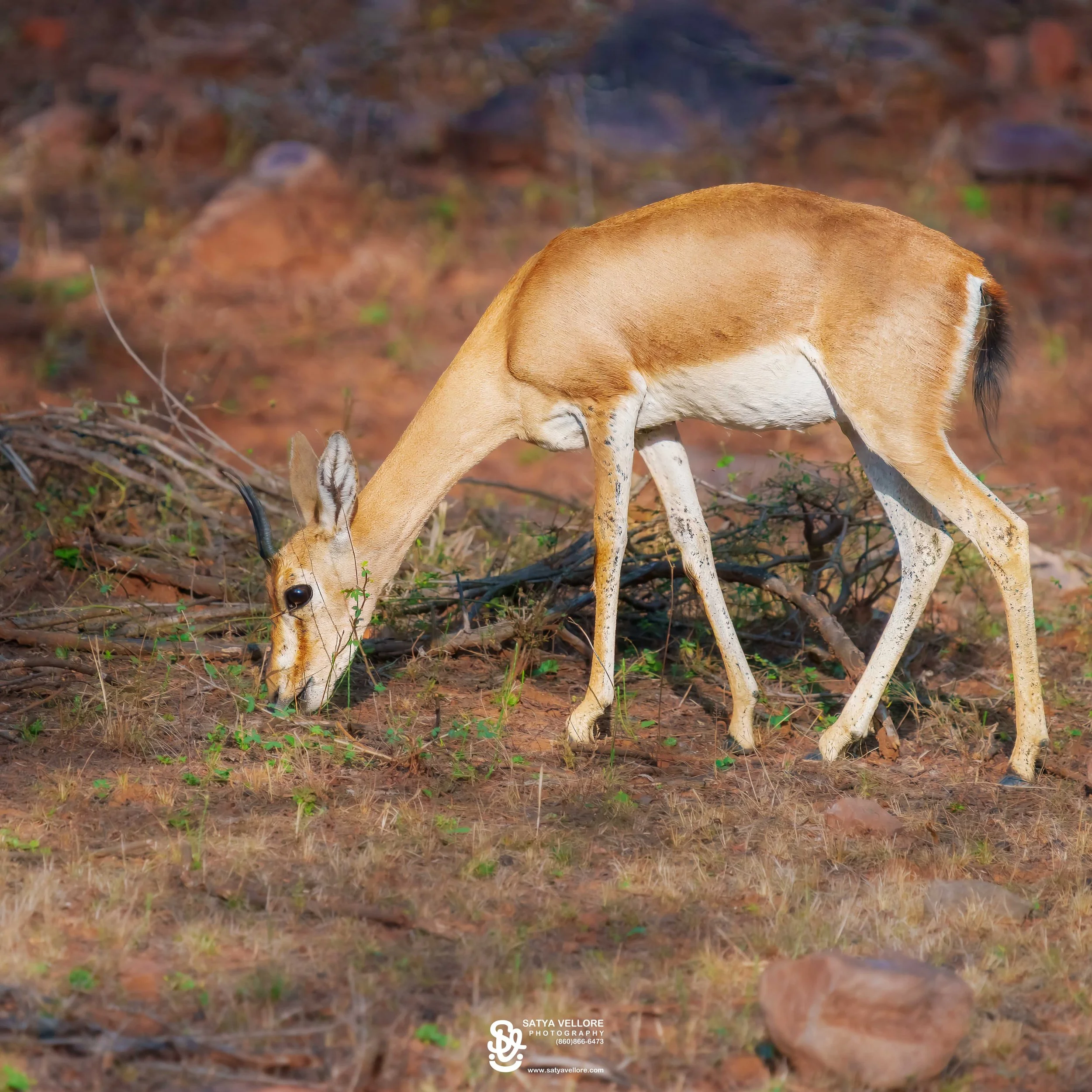
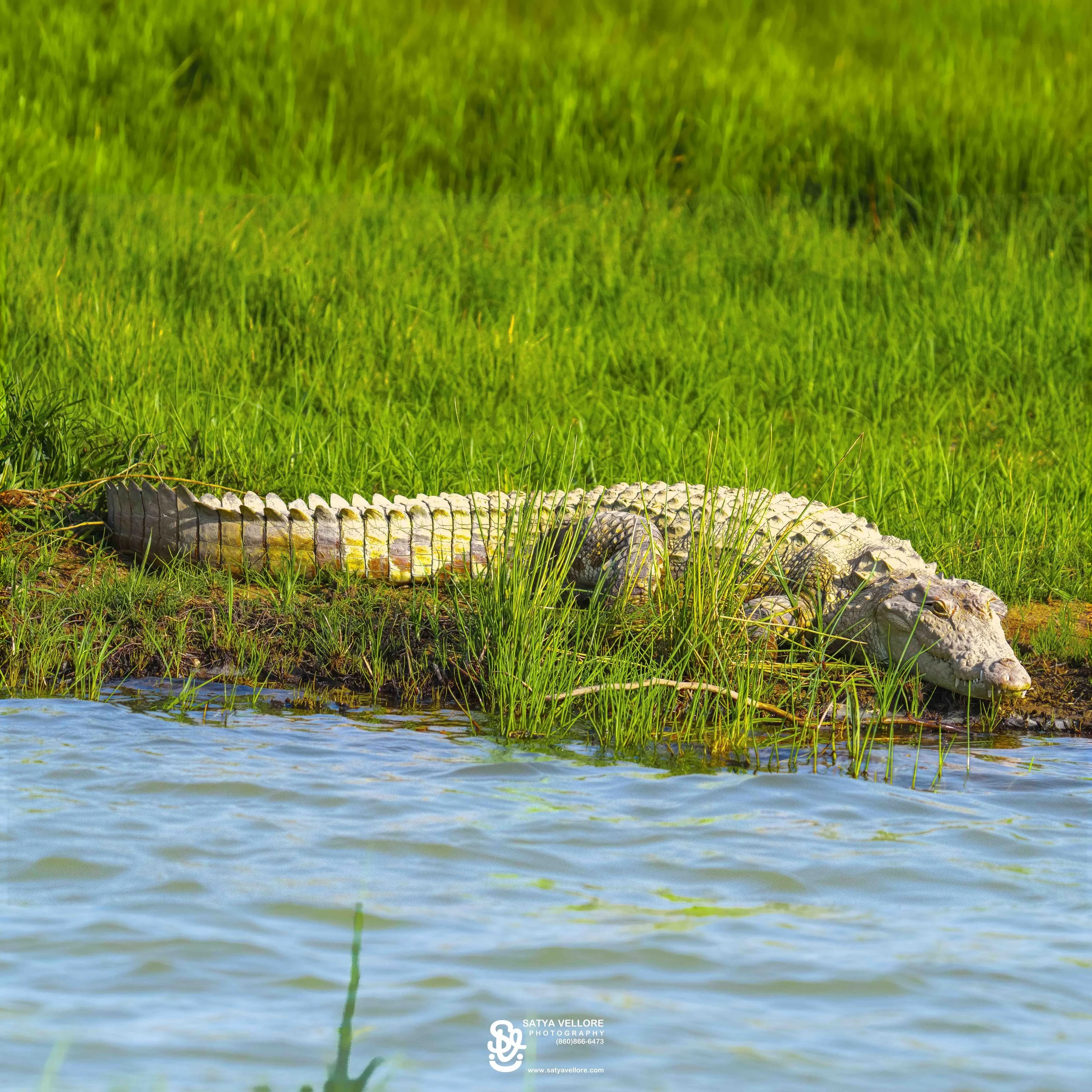
My wife and I recently took a 3-night, 4-day wildlife safari trip to India’s premier national tiger reserve and conservancy, the Ranthambore National Park. Naturally, my sole purpose of the trip was to do wildlife photography of tigers and other diverse species, including the birds of the region. The trip, organized over 6 four-hour safari outings (early morning and early afternoon) yielded many good shots, including one fruitful sighting of a handsome tiger named “Jai” at the end of our excursion in Zone 8 on a chilly Friday morning.
When we sighted him, Jai appeared to have just emerged from a fight, perhaps with another cat or a prey. Out of nowhere, he sauntered toward our convoy of three Gypsys (Maruti Gypsy is an open-top small SUV very popular in India for off—roading), in a tiger’s elegant swagger and gave me plenty of opportunity to get some great shots with my long lens. We felt quite lucky, as this was a highly improbable zone for such a sighting. Tiger density and movement are reportedly higher in Zones 2, 3 and 4 owing to the water bodies frequented by the felines in those areas. Given the popularity, the wildlife photography-friendly profile of the Gypsy-based safari-ride booking in those zones fill up 5 to 6 months in advance on a first-come-first-served basis. So, note to self for the next trip - book well ahead to get the zones of choice and sight many more tigers!
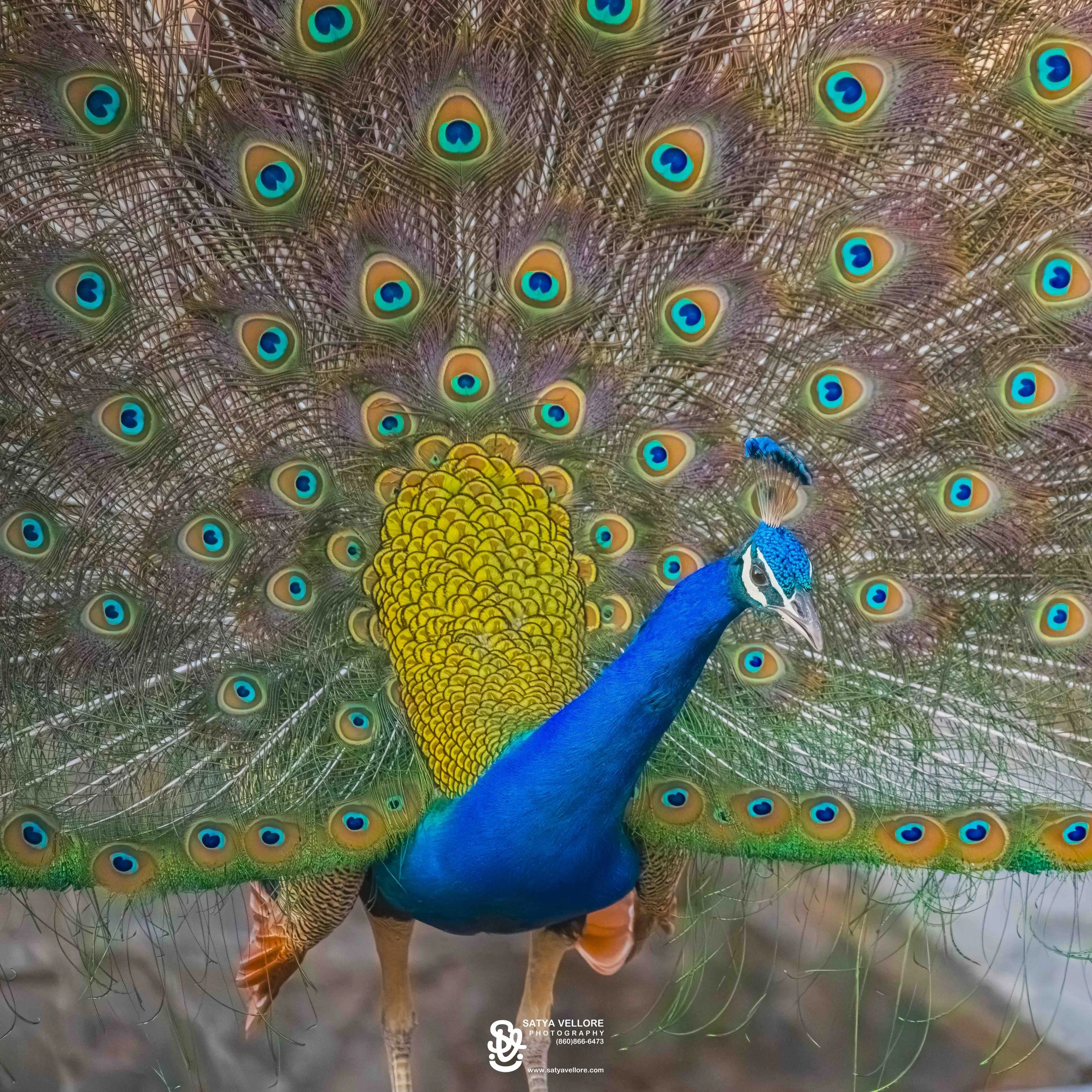
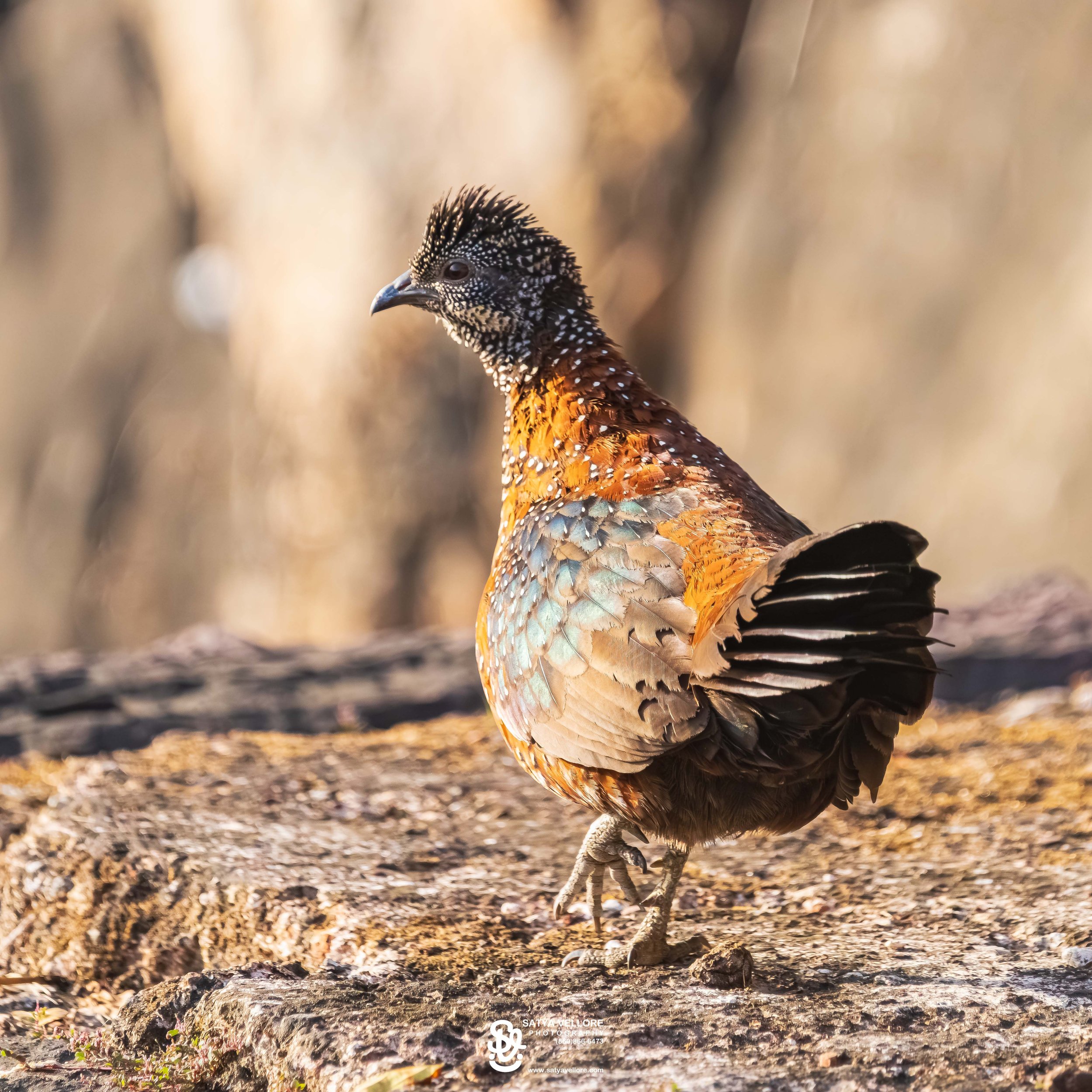
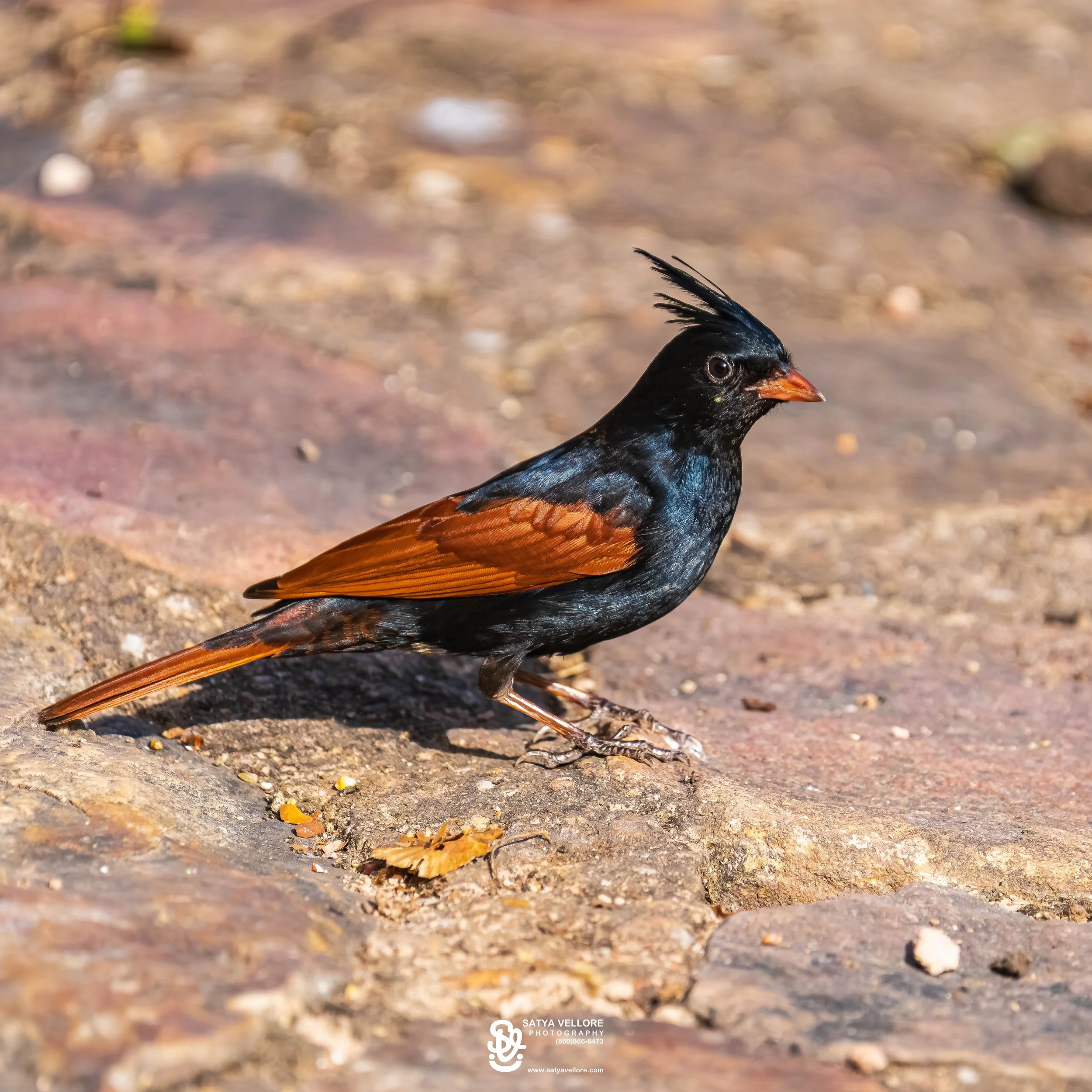
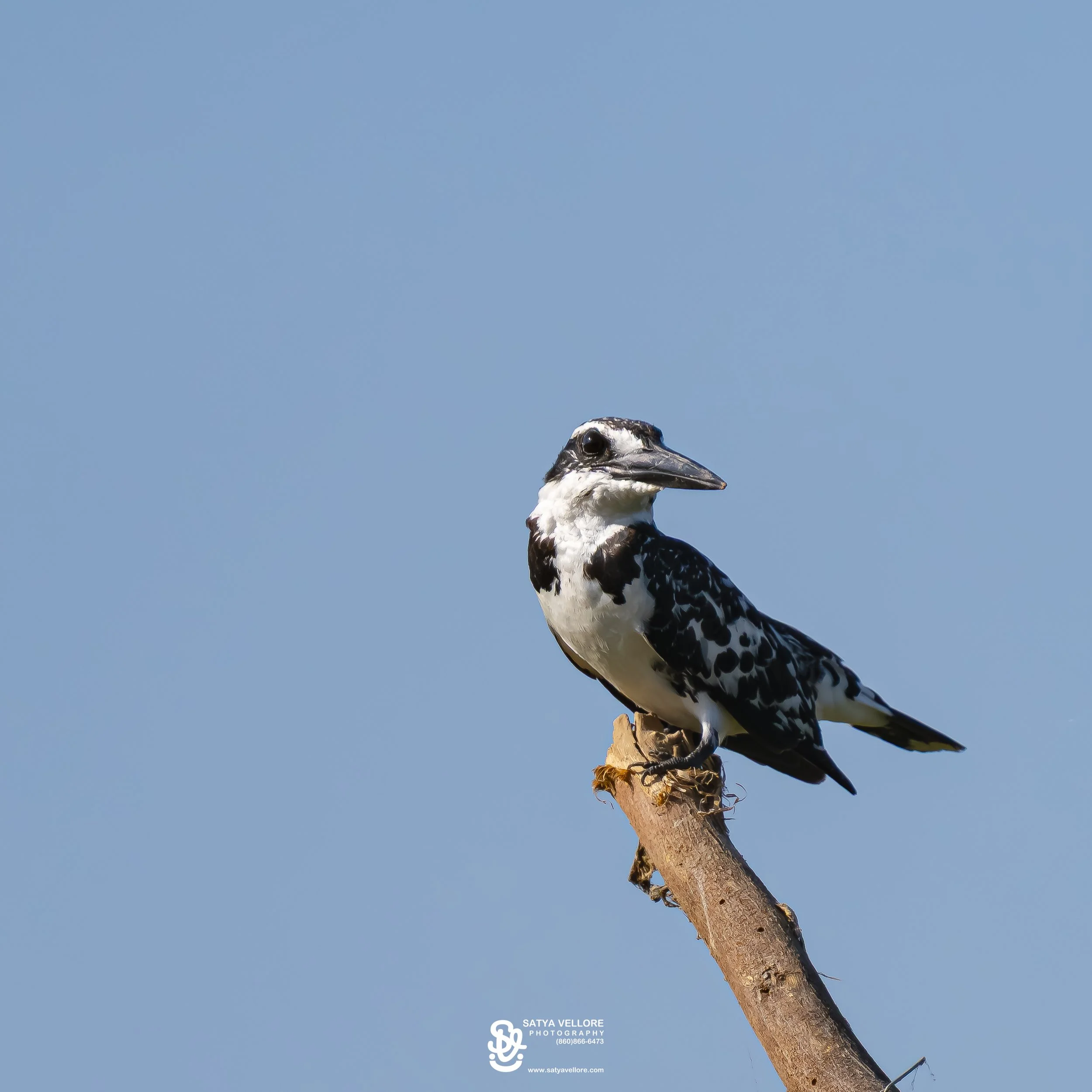
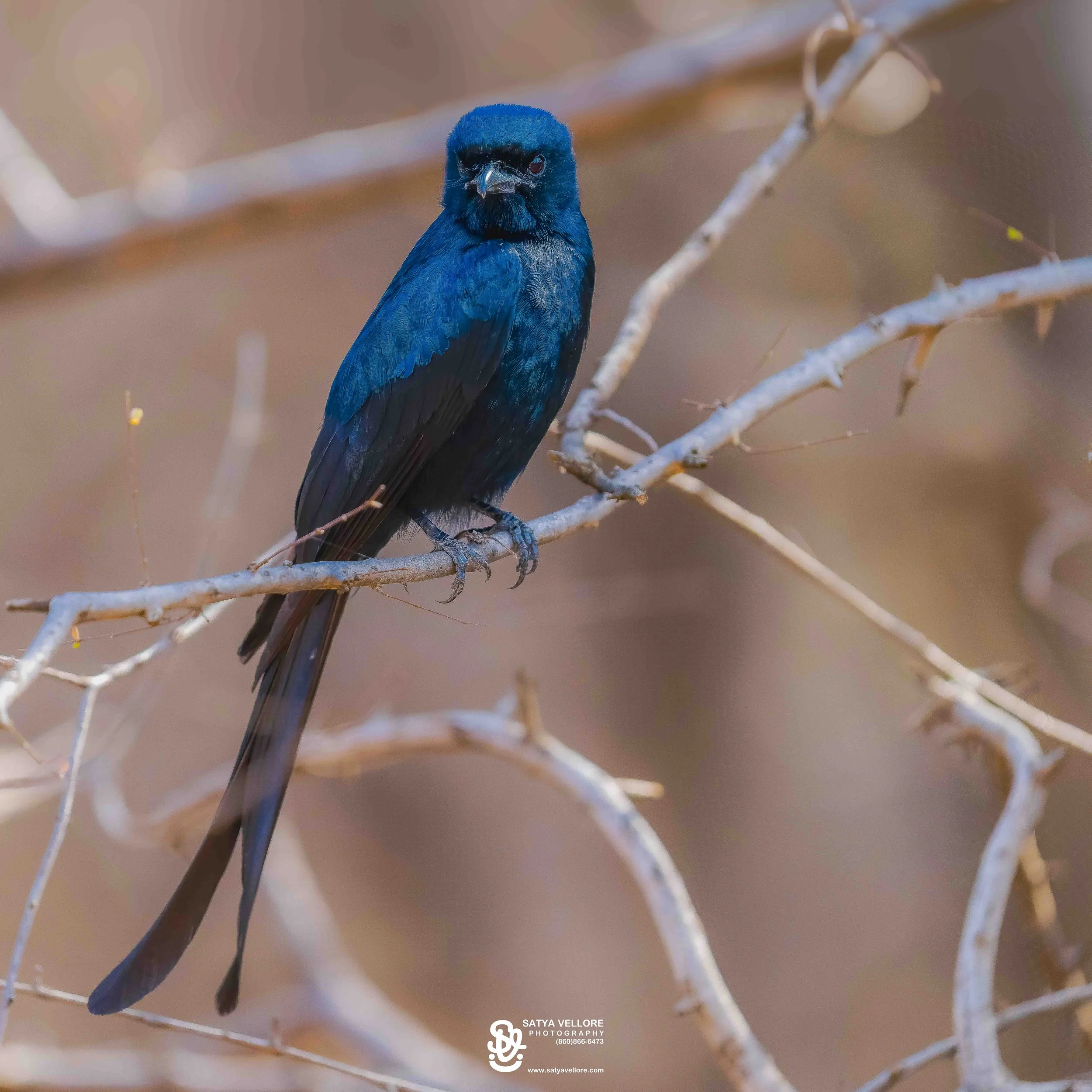
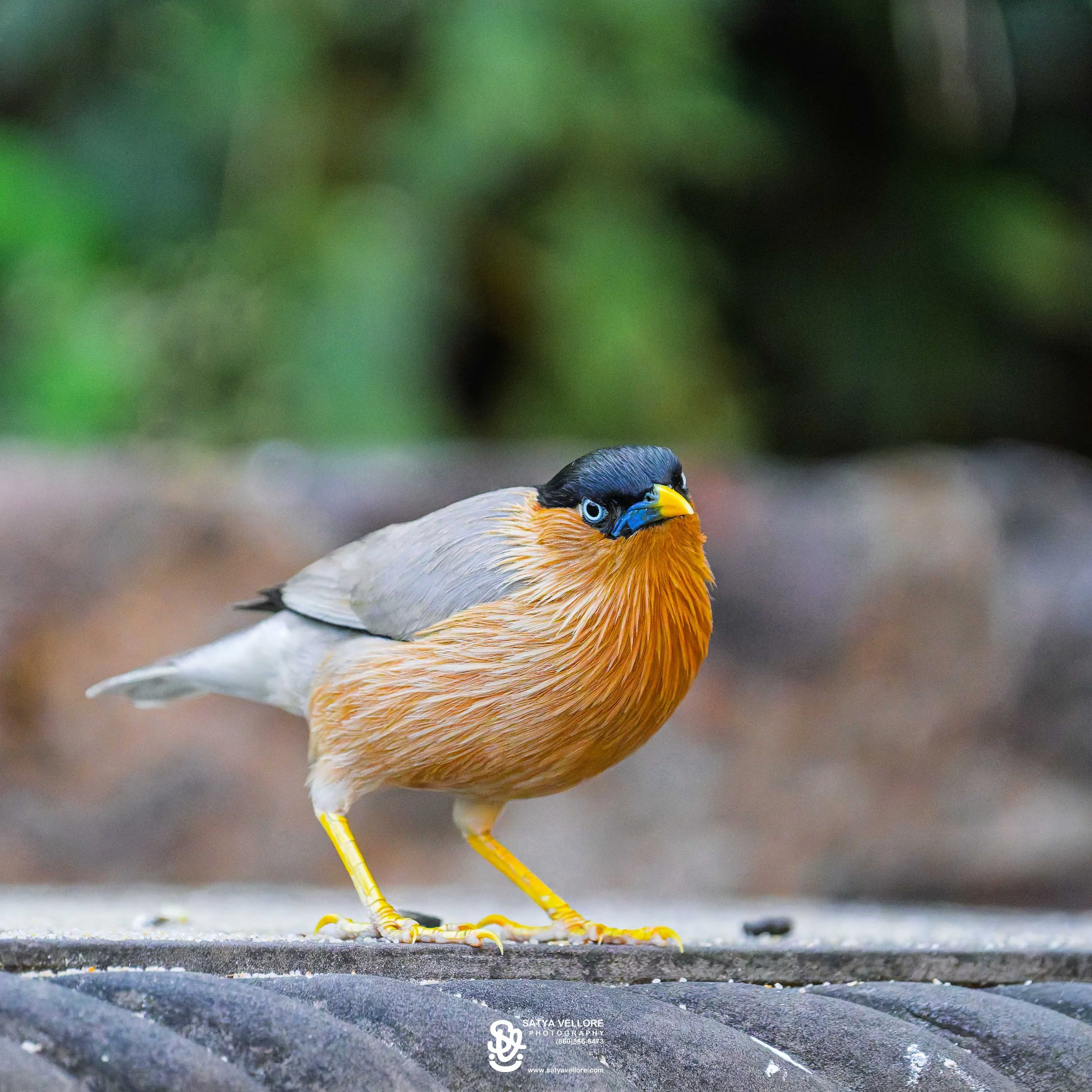
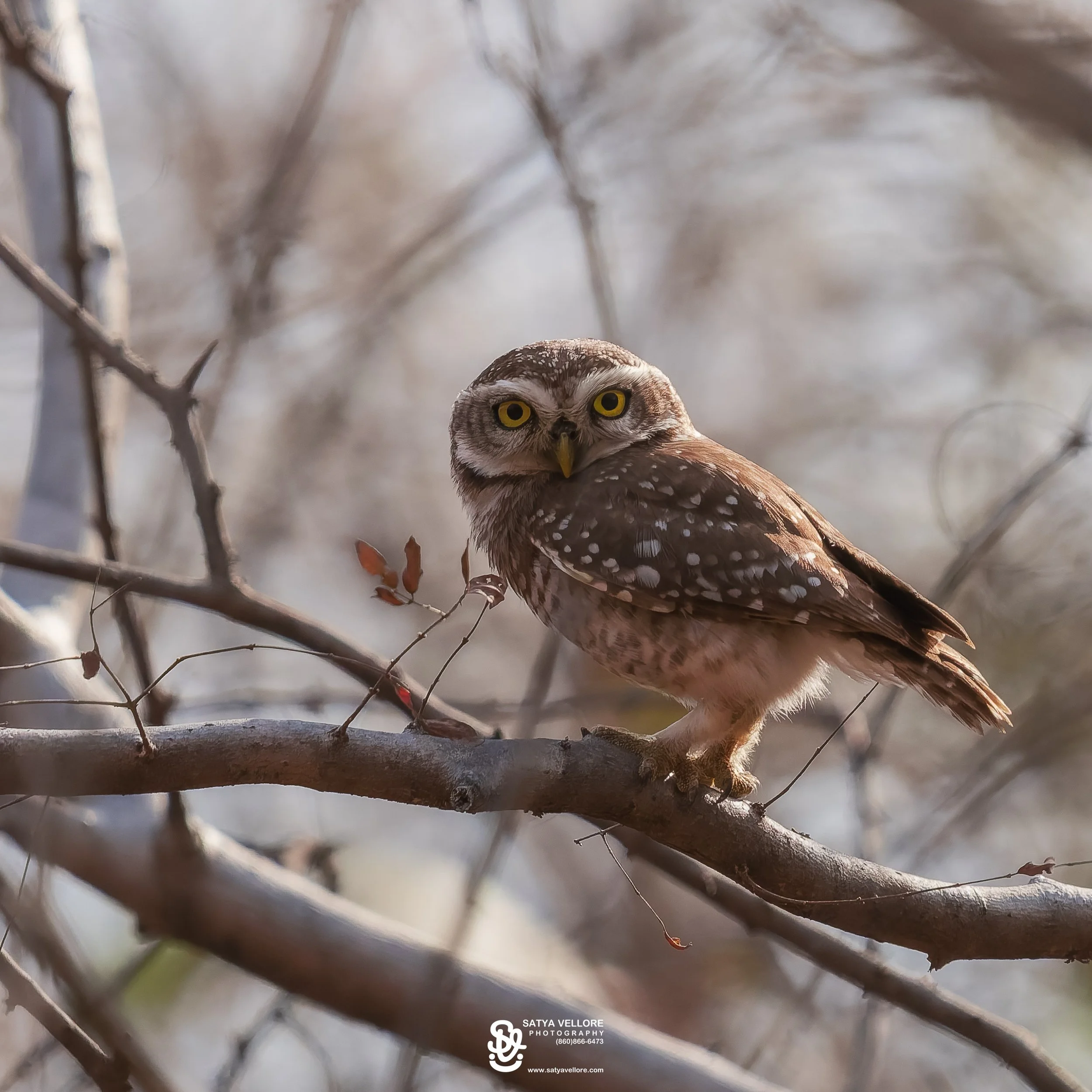
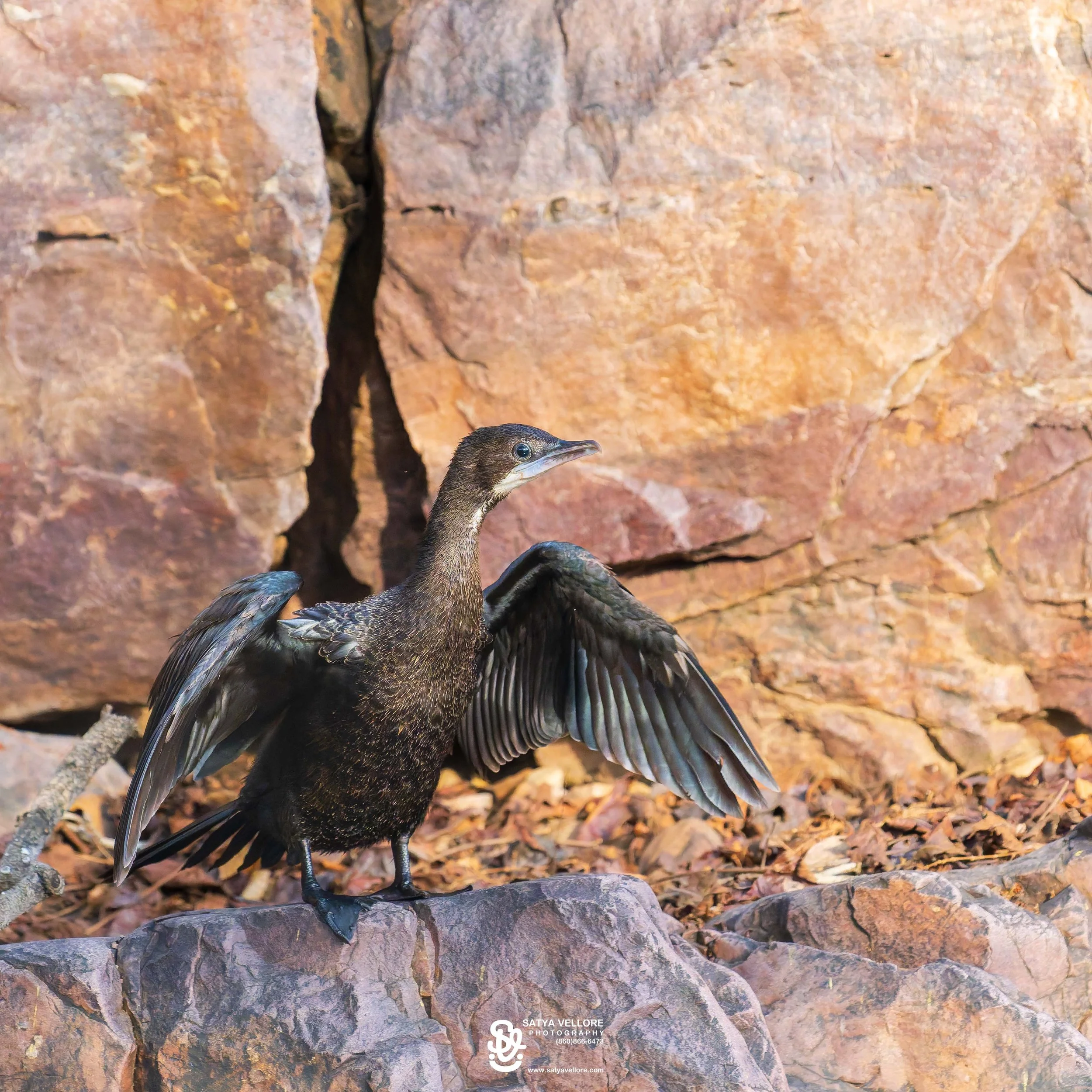
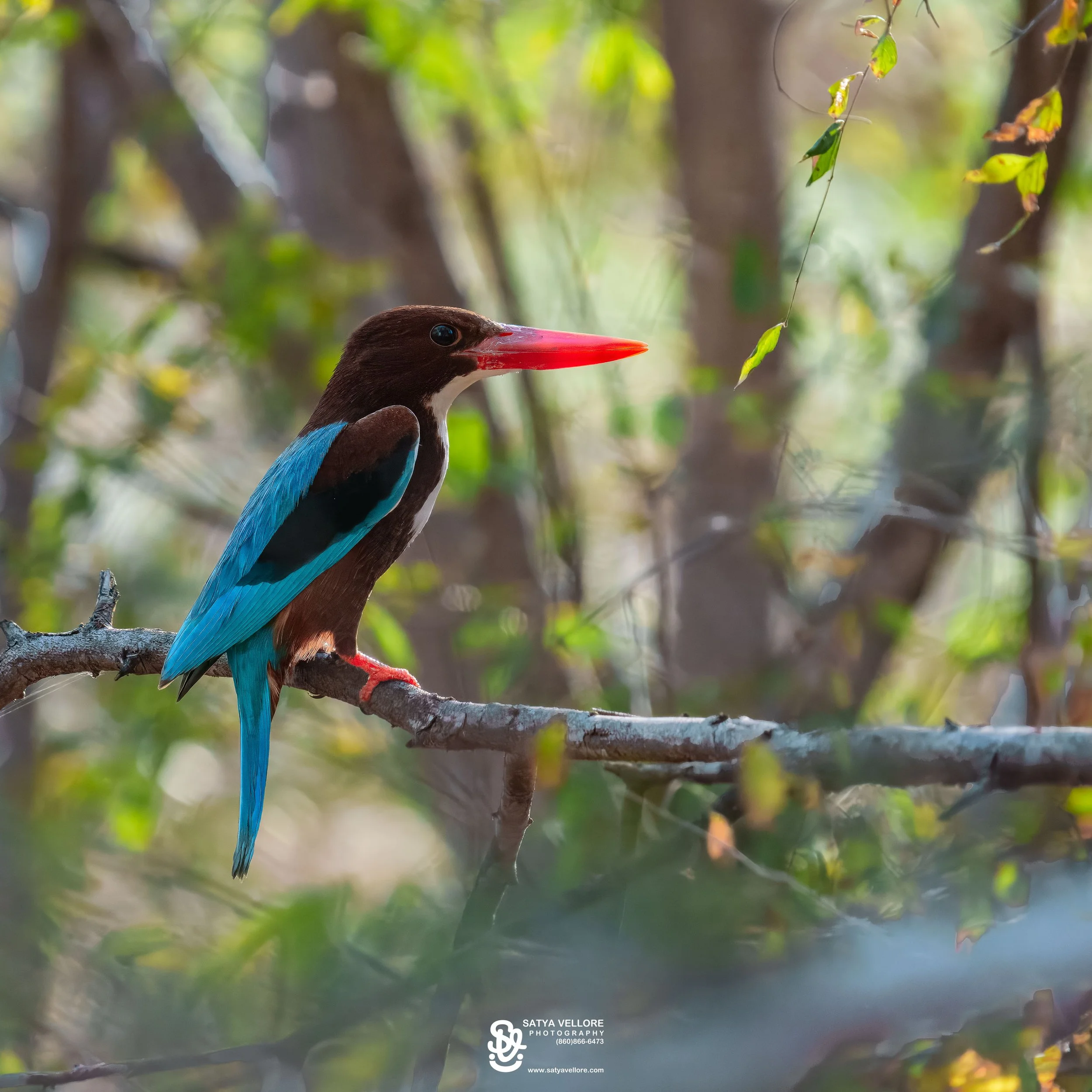
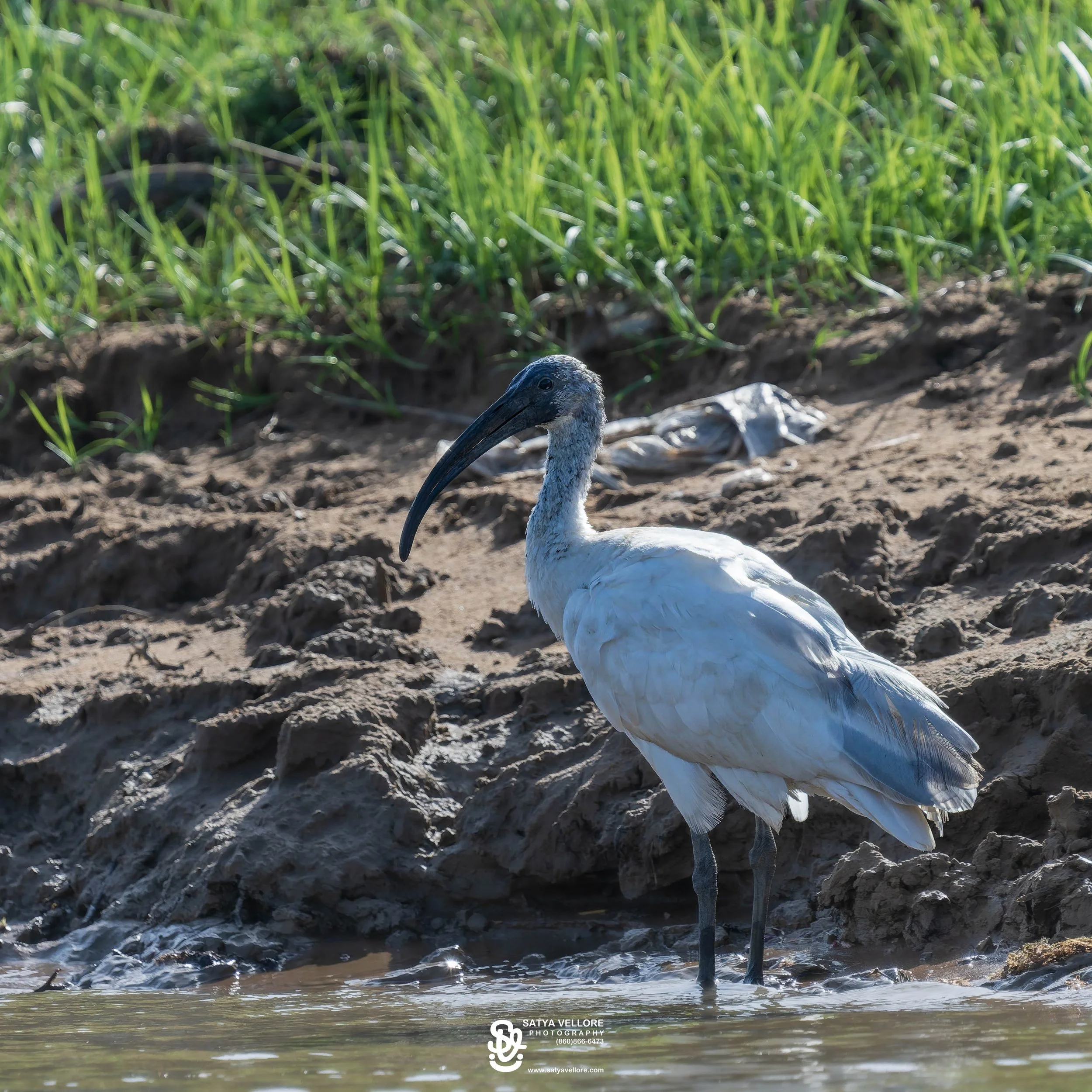
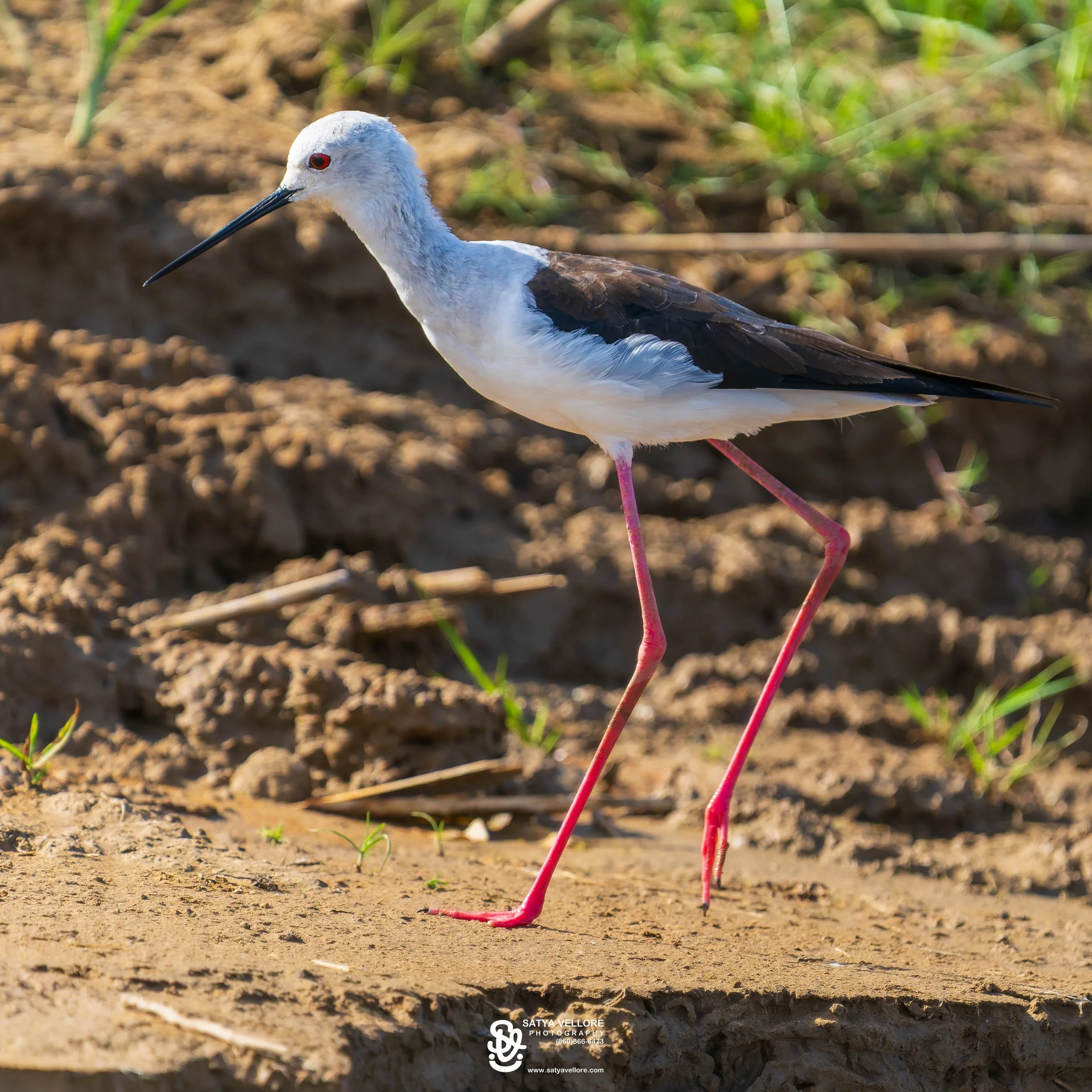
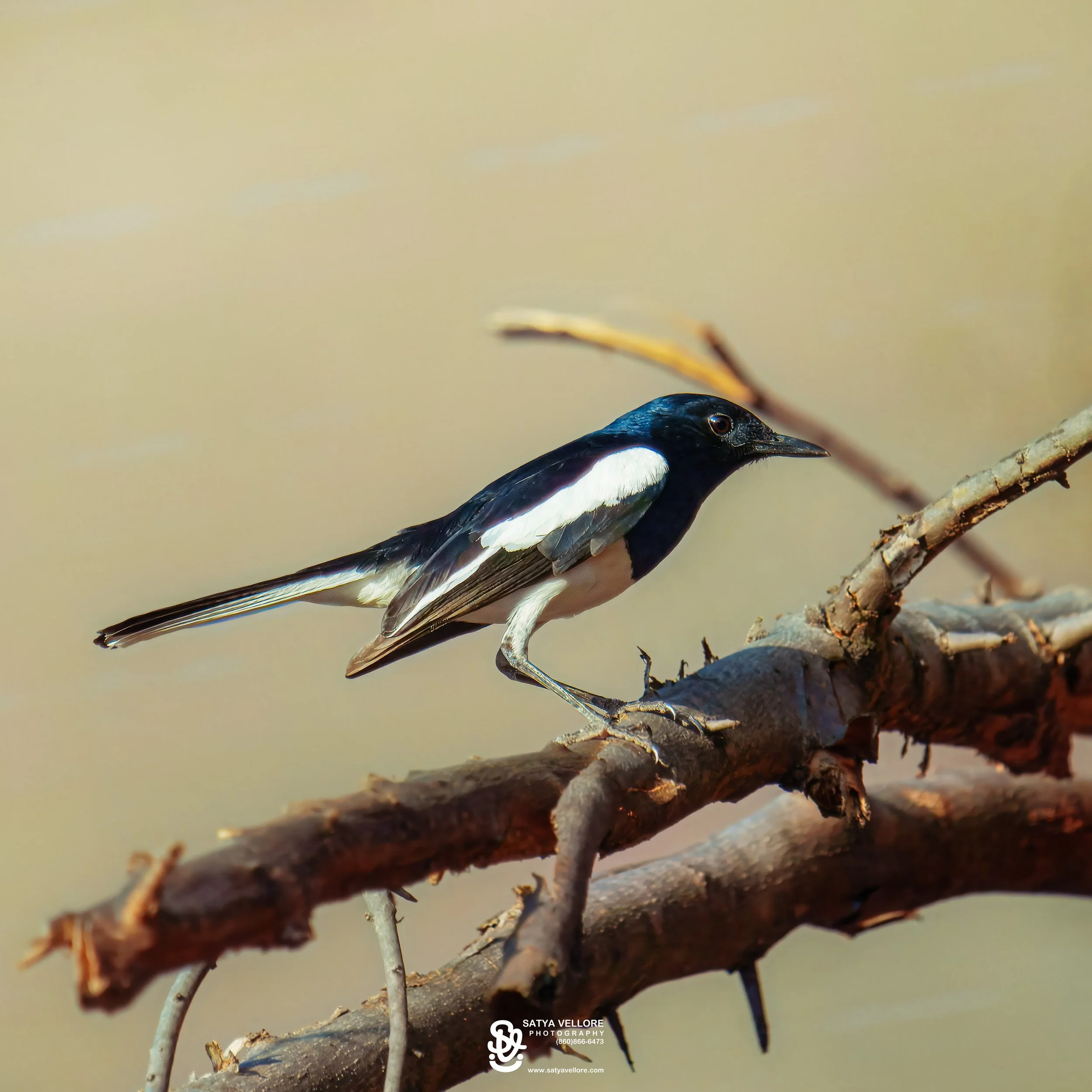
Now, a little about the region. Ranthambore’s evolution, from a medieval fortress landscape to a royal hunting ground, and ultimately to a flagship tiger reserve reflects broader shifts in India’s environmental conservancy efforts. While it remains a global success story, it now faces governance challenges involving tourism, local community livelihoods, habitat pressures, and policy trade-offs that require carefully considered long-term, science-driven and politics-free solutions.
Nestled in the Ranthambore region in present-day Rajasthan, it has a long and strategic history centered on the Ranthambore Fort. Reliably recorded origins date to the 10th century under the Chauhan (Rajput) rulers. Due to its commanding position, approximately 700 feet above the plains, the fort became a prized military stronghold contested by successive rulers, including those of the Delhi Sultanate and later the Mughals. For centuries following the 1500s, the surrounding forests functioned primarily as royal hunting grounds for the Maharajas of Jaipur. This transition—from fortified kingdom to royal hunting preserve—set the stage for its eventual transformation into a protected wildlife landscape in the 20th century.
The modern conservation history of Ranthambore began post-independence. In 1955, it became the Sawai Madhopur Game Sanctuary. Later, during 1973–74 it was included under India’s flagship Project Tiger initiative. Finally, in 1980, and to this day, it is a designated national park. It spans over 1,300 sq. km (including buffer zones) and is one of India’s most iconic tiger habitats, combining dry deciduous forests, lakes, and historic structural ruins. Ecologically, Ranthambore has played a source population role, supplying tigers for reintroduction into other reserves in Rajasthan and beyond. Despite earlier declines due to poaching (notably in the early 2000s), conservation efforts have led to population recovery, with tiger numbers rebounding significantly in recent years.
What I learned prior to this trip is that Ranthambore faces a complex mix of conservation and governance challenges. Most of these challenges relate to competing priorities and inconsistent environmental policies. Notably among these, issues requiring long-term resolution originate from human-wildlife habitation adjacency, unbridled tourism, myopic wildlife policies (such as relocation of troubled tigers), and ecological pressures of the prey-base that is also often villagers’ livestock and livelihood. With this in mind, I have resolved to take an active interest in private organizations that lend money and planning assistance for the improvement of these conditions.